Diseño Arquitectónico
DISEÑO ARQUITECTÓNICO


En junio del año 2000, un terrible accidente me mantuvo impedido durante más de cuatro años. Largas horas de frustración y rehabilitación.
El 11 de septiembre de 2001, postrado en mi cama, fui testigo de un hecho sobrecogedor que me marcó profundamente. Siempre recordaré esos terribles atentados y la imagen de aquellos colosos que se desplomaron ante el ataque terrorista. Las Torres Gemelas, un logro arquitectónico y de ingeniería, se desmoronaban frente a todo el planeta. La barbarie humana, sesgó 2977 vidas. Cuando comencé a dibujar, lo que para mí era un acto terapéutico, fluyeron los diseños de grandes edificios en los que su función para mí iba a ser clara: “mejorar la humanidad”.
Durante un año, desarrollé las ideas y diseños, para utilizar estas arquitecturas como continente para el desarrollo de actividades con un fin específico. Estos espacios servirían para alojar personas destacadas por sus capacidades, dotarlas de medios y del entorno necesario para que surjan sinergias creativas, científicas, culturales, tecnológicas, deportivas y humanas.
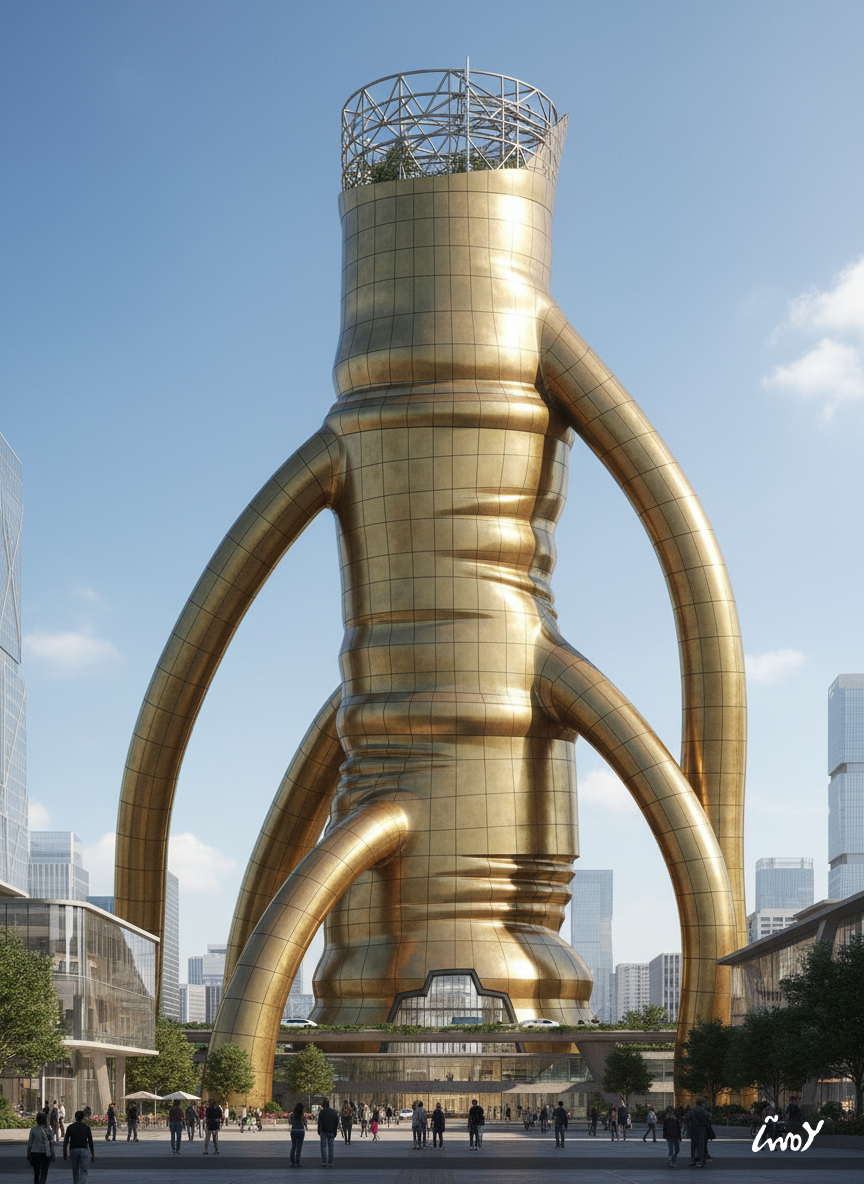
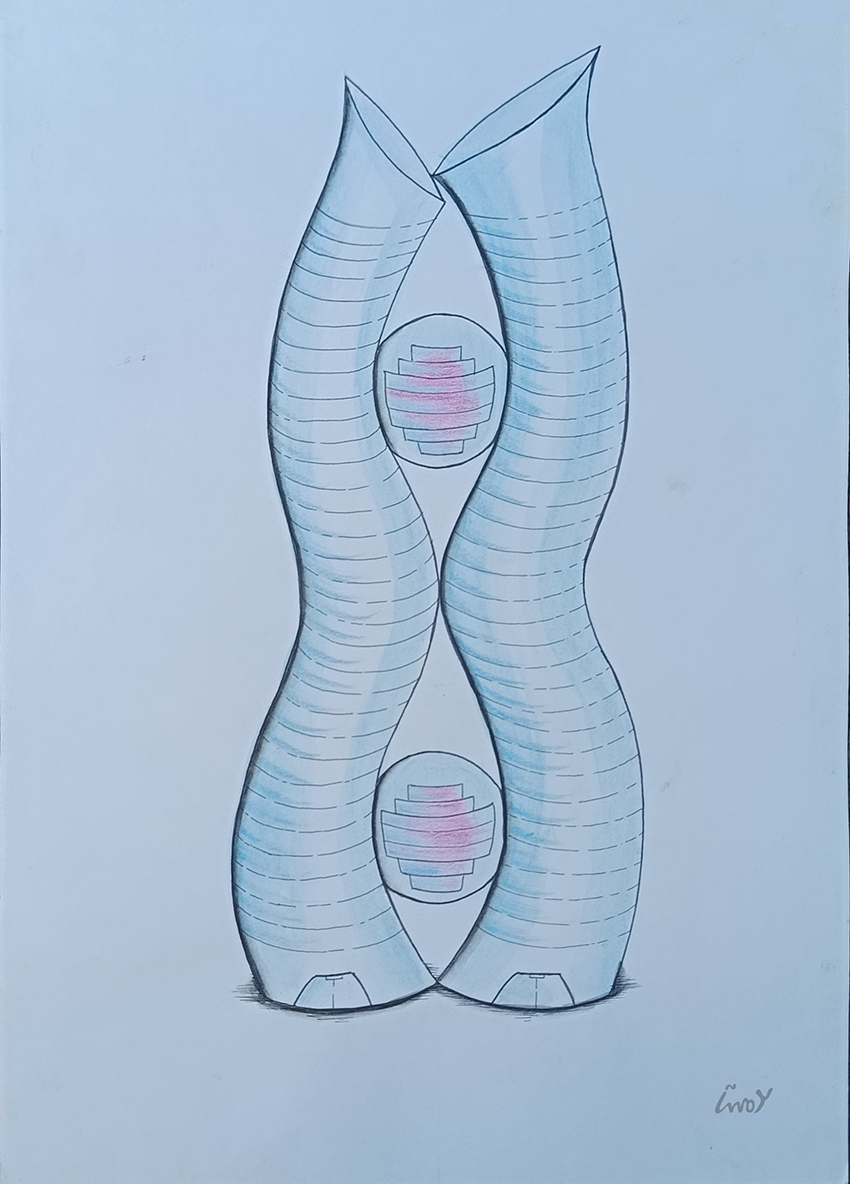
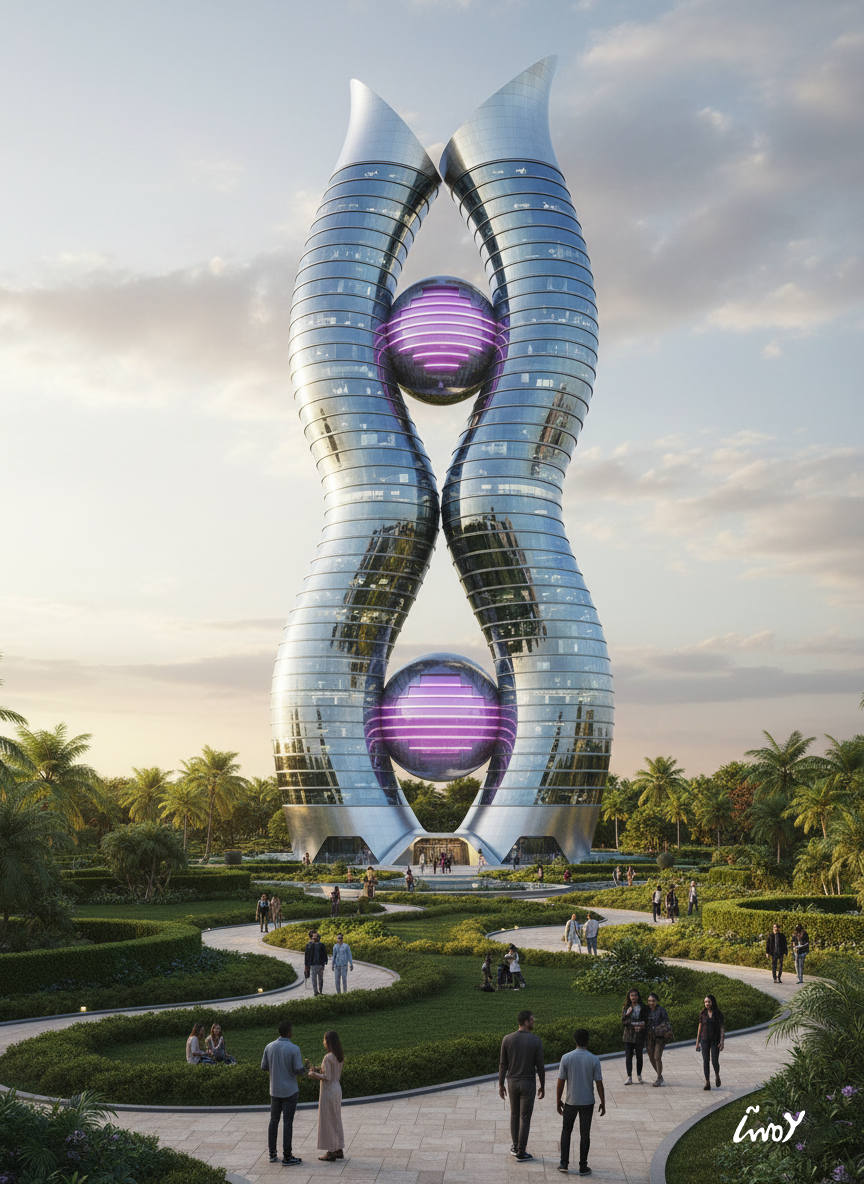
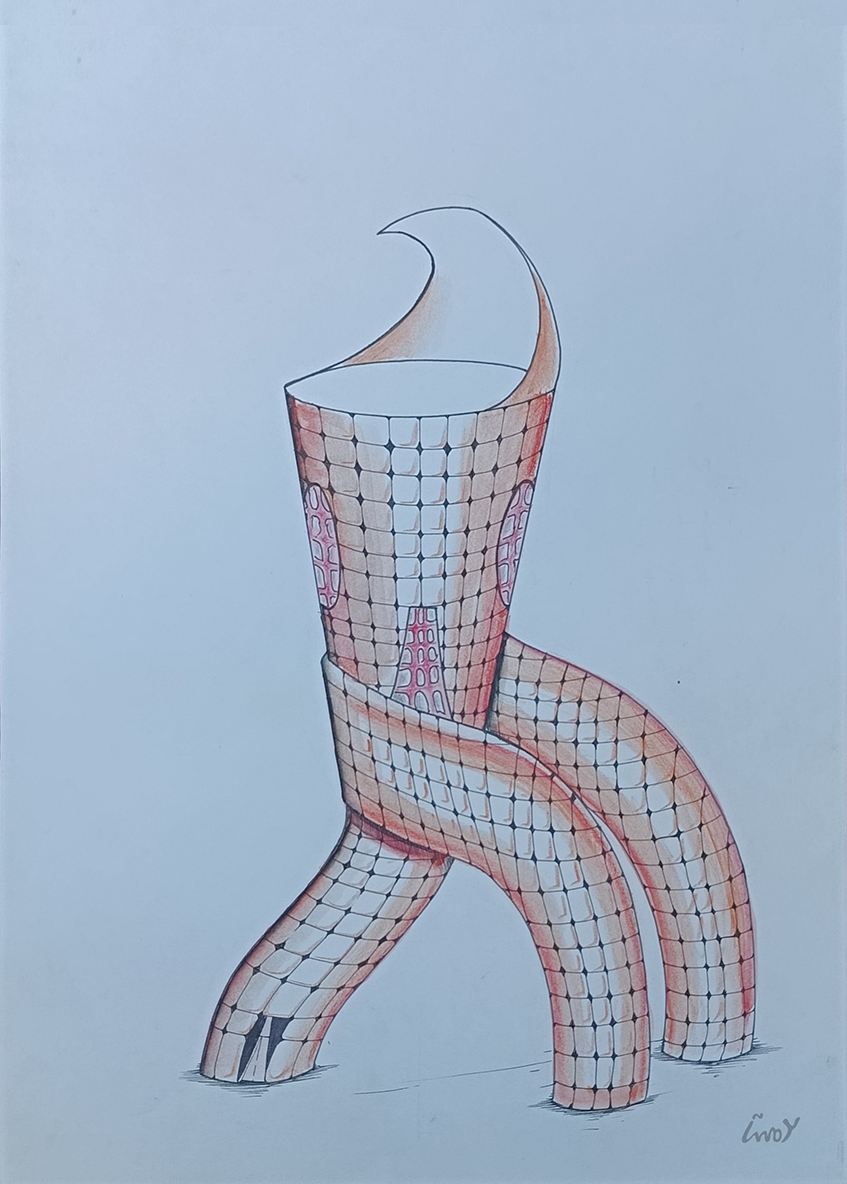
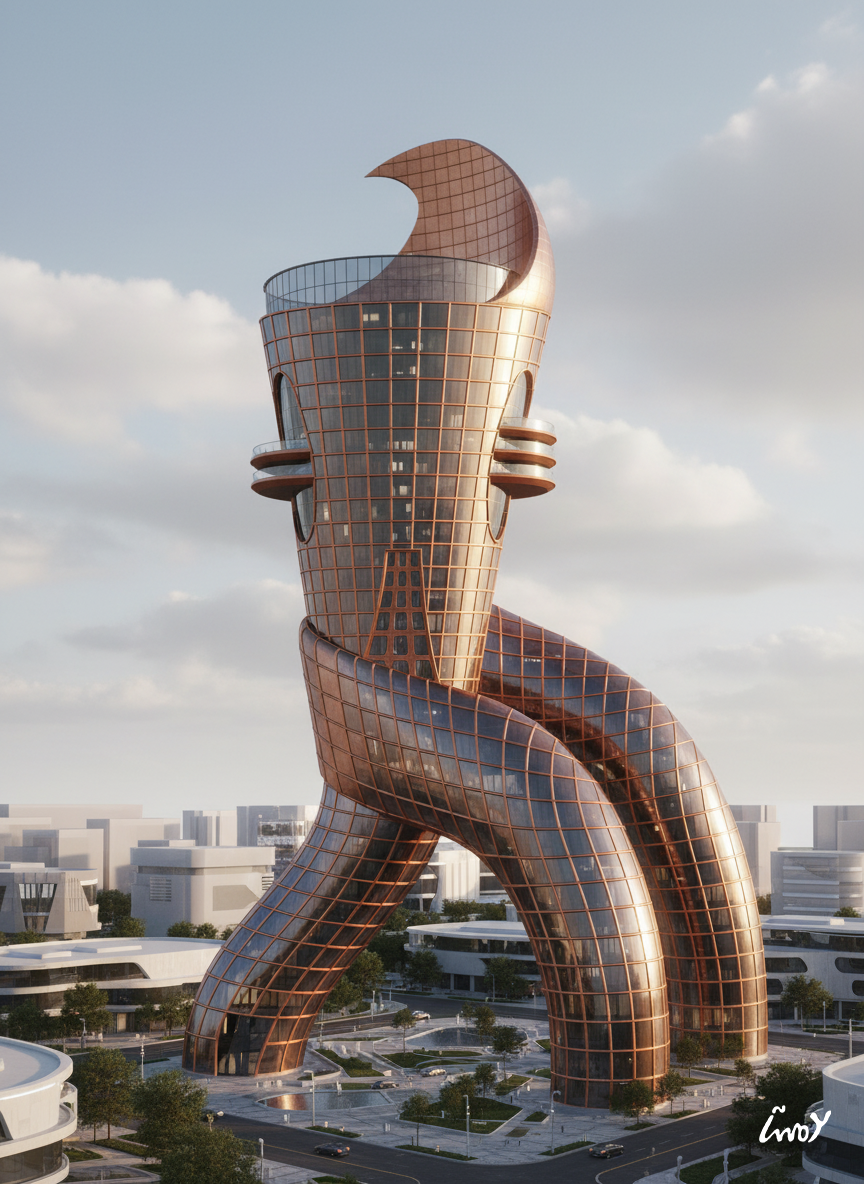
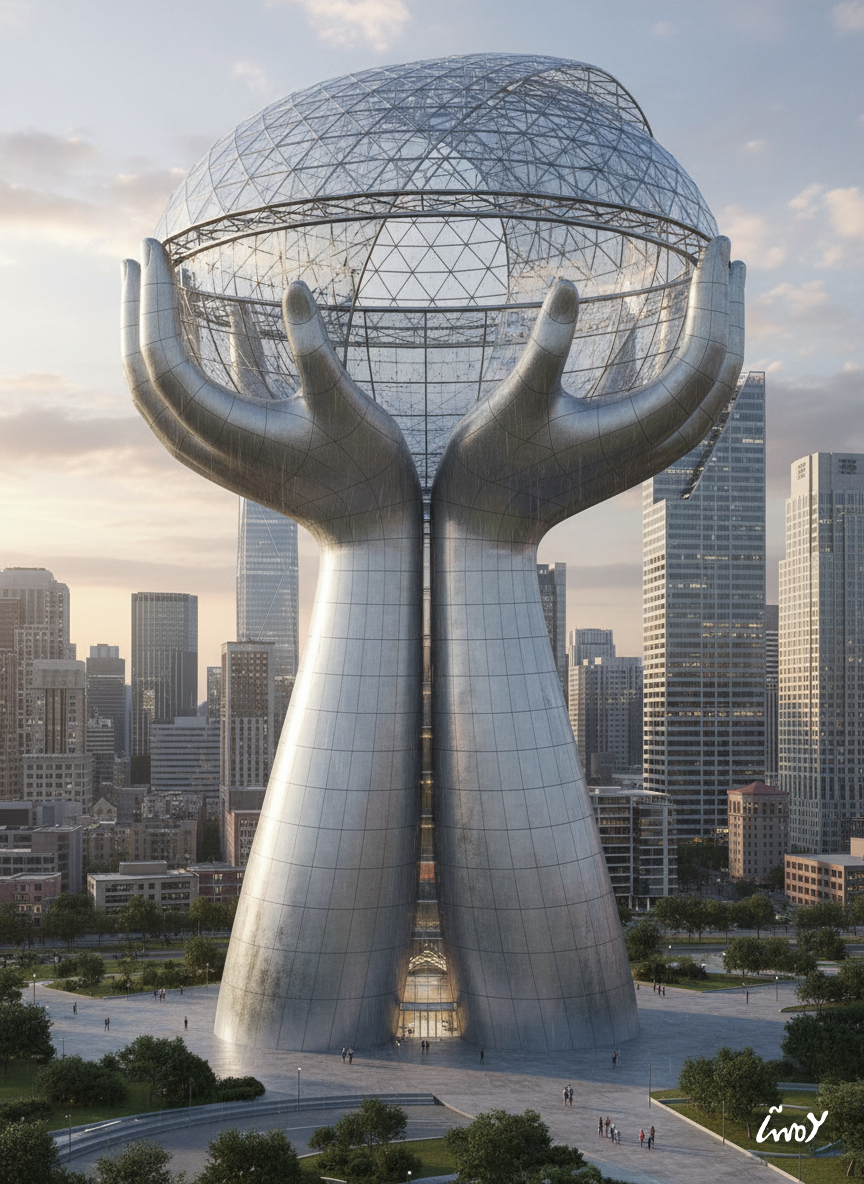
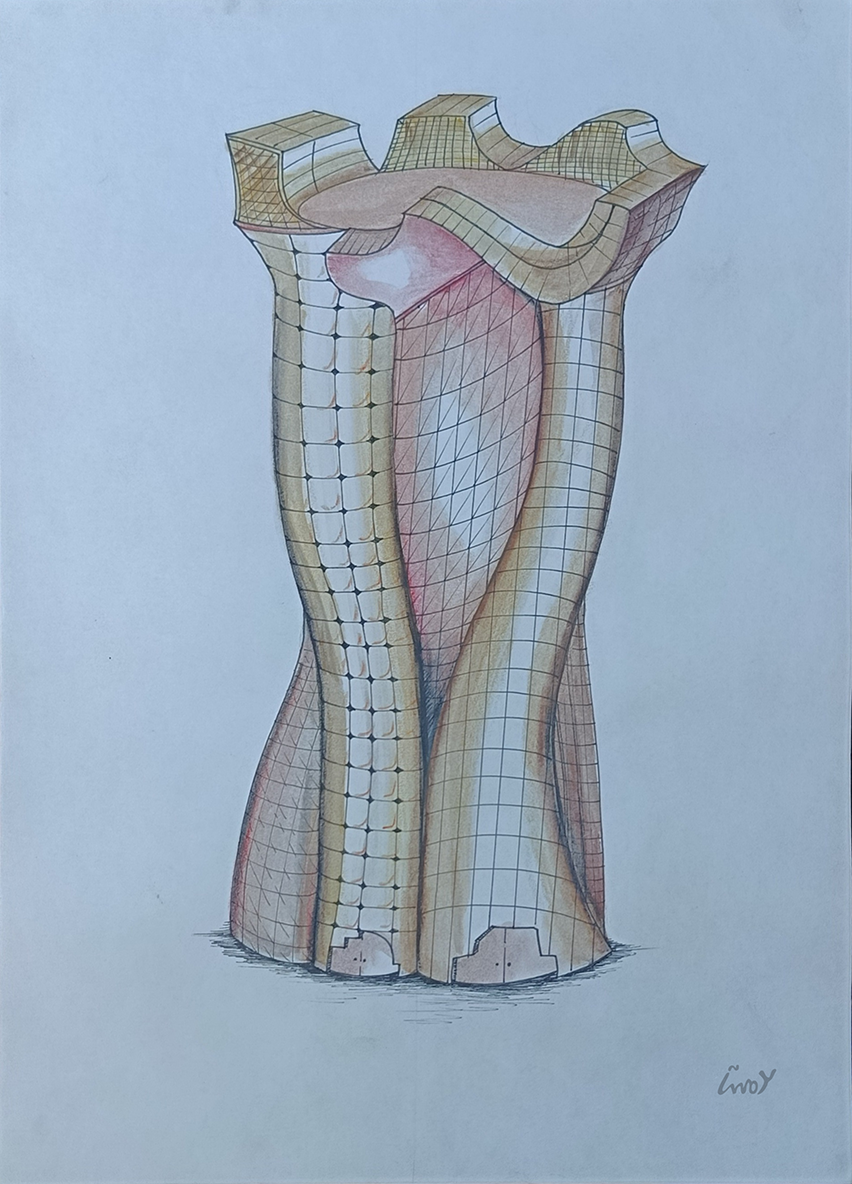
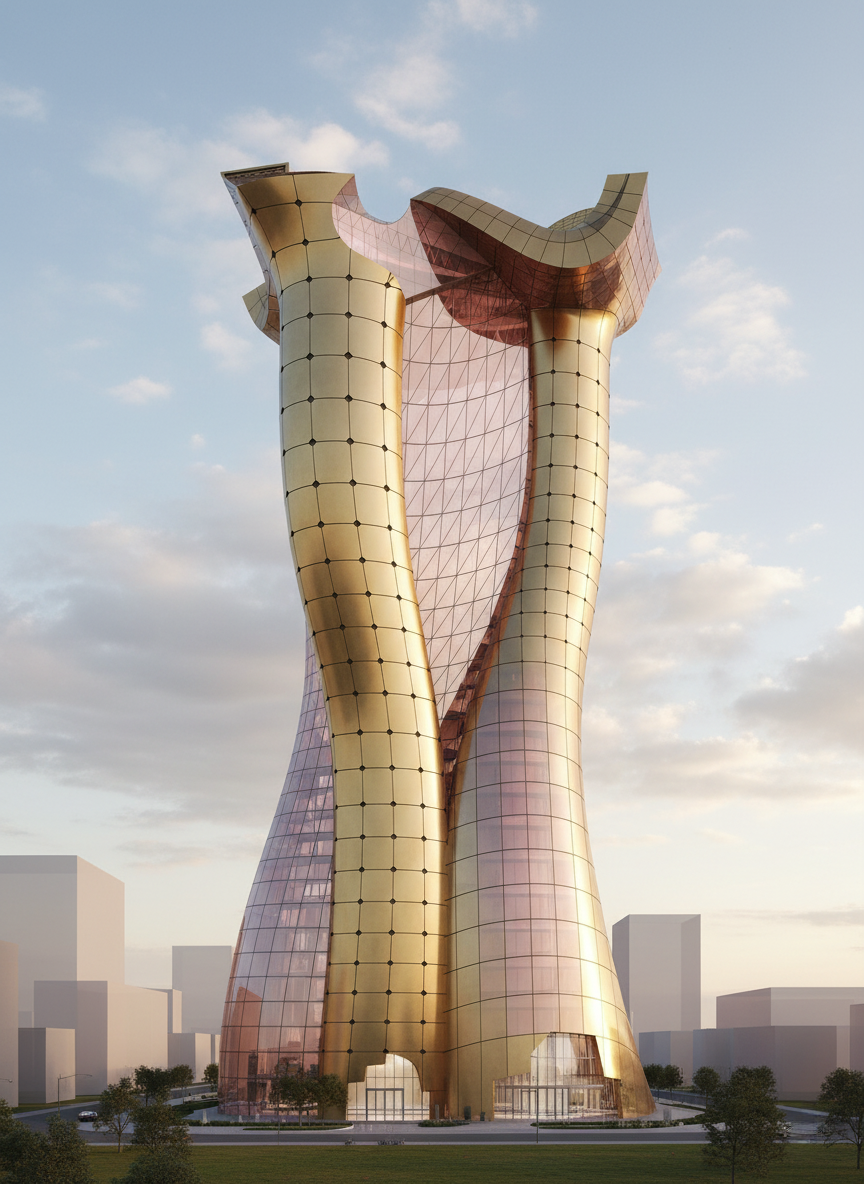
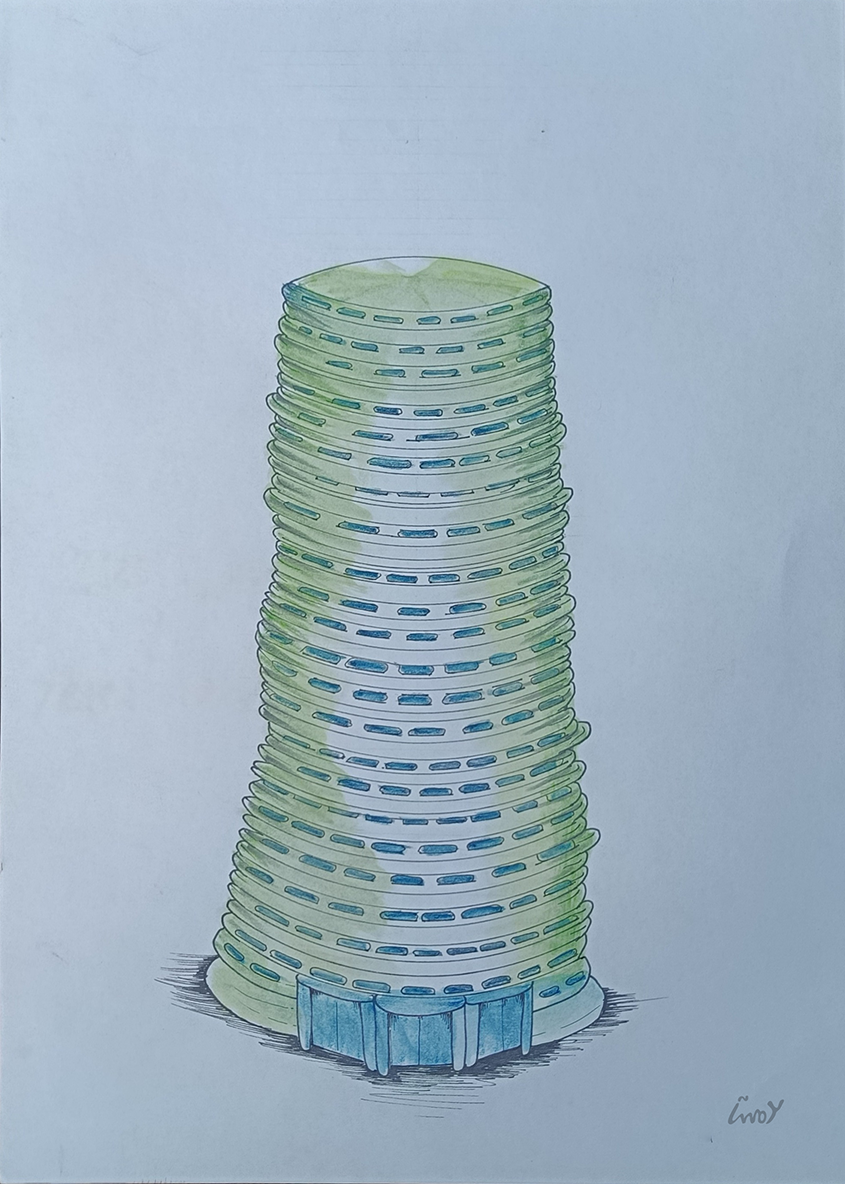
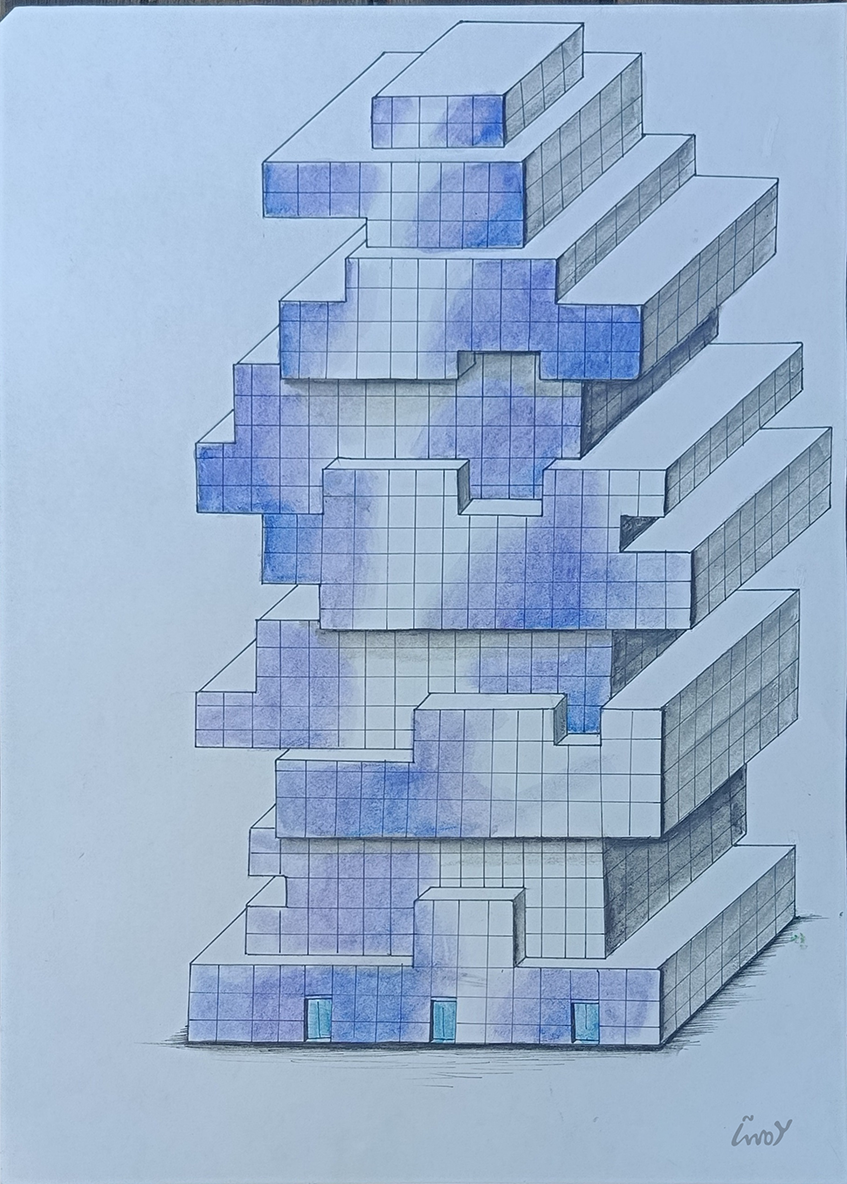
El resultado son más de 50 diseños e ilustraciones artístico-arquitectónicas.
Posteriormente, en el año 2019, este trabajo se materializó en el proyecto LIBERS_O2. Apoyado, entre otros, por más de una veintena de ayuntamientos que conforman la Mancomunidad Gótica de Valladolid . Este proyecto no consiguió el suficiente apoyo por cuestiones politicas a pesar de la gran valoración adjudicada al proyecto por todas las instituciones e entidades implicadas.
Queda ahora, con el posible cambio de sensibilidades políticas, poder desarrollar este proyecto y cumplir el reto de generar estos entornos y crear un desarrollo superior a nivel humano.
Imoy
In June 2000, a terrible accident left me incapacitated for more than four years—long periods marked by frustration and rehabilitation.
On September 11, 2001, confined to my bed, I witnessed a harrowing event that profoundly shaped me. I will always remember those devastating attacks and the image of those colossal structures collapsing under the terrorist assault. The Twin Towers—an architectural and engineering achievement—crumbled before the eyes of the entire world. Human barbarity claimed 2,977 lives.
When I began to draw—what for me was a therapeutic act—designs for large-scale buildings started to emerge, with a clear purpose: “to improve humanity.”
Over the course of a year, I developed ideas to use these architectural structures as vessels for activities with a specific purpose. These spaces would host individuals distinguished by their abilities, providing them with the resources and environment necessary to foster creative, scientific, cultural, technological, sporting, and human synergies.
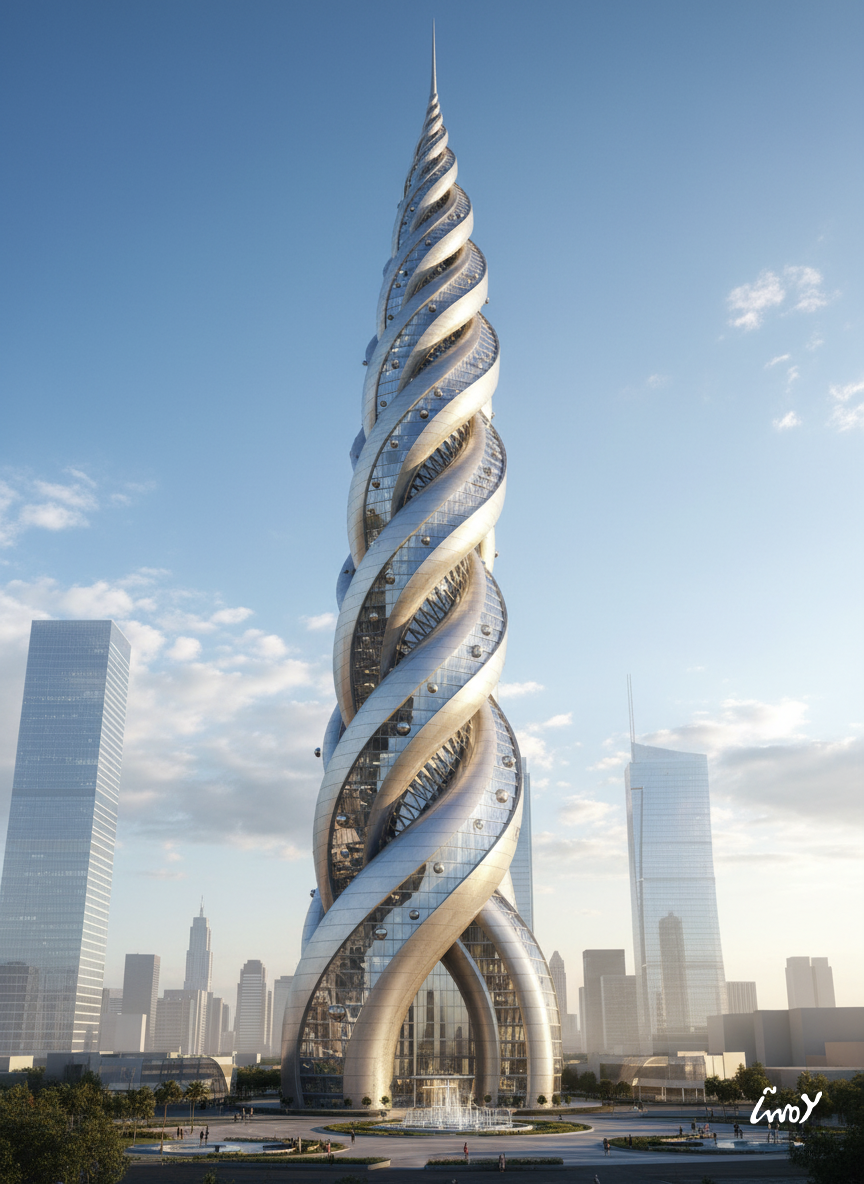
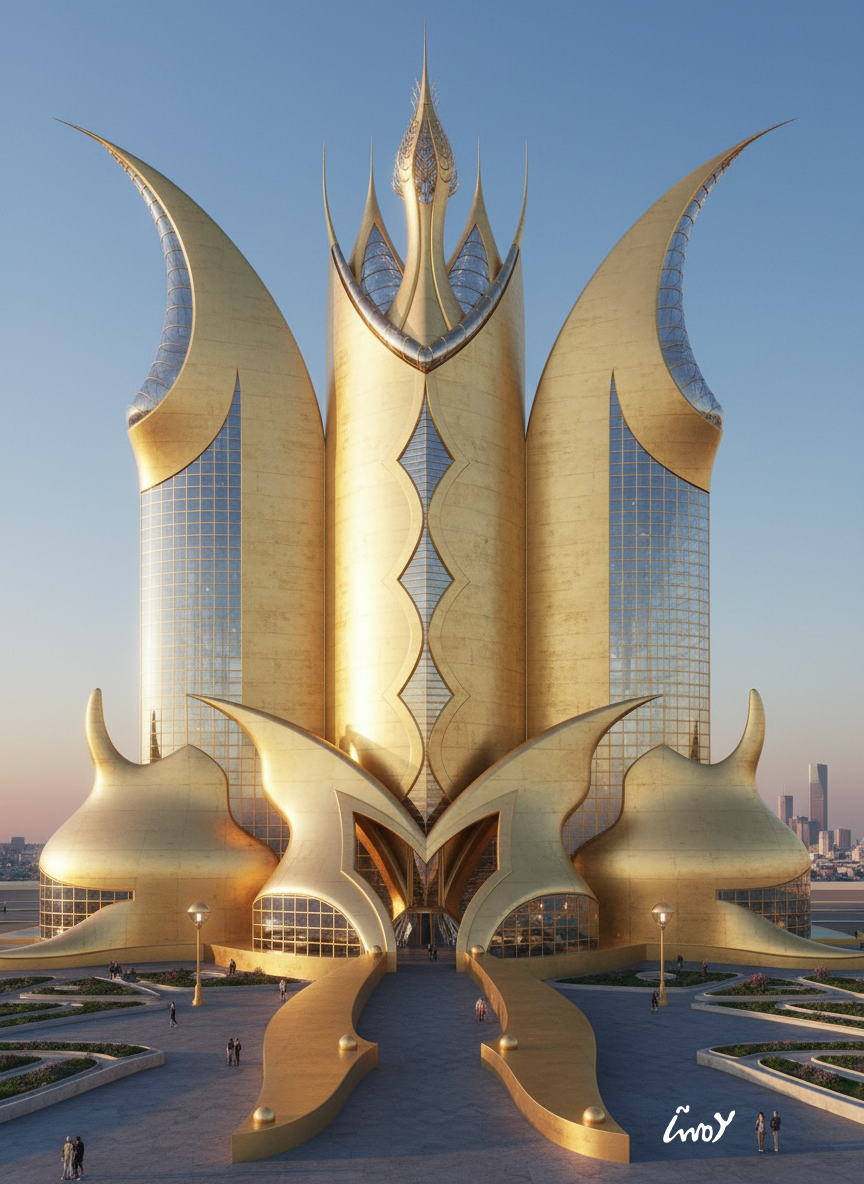
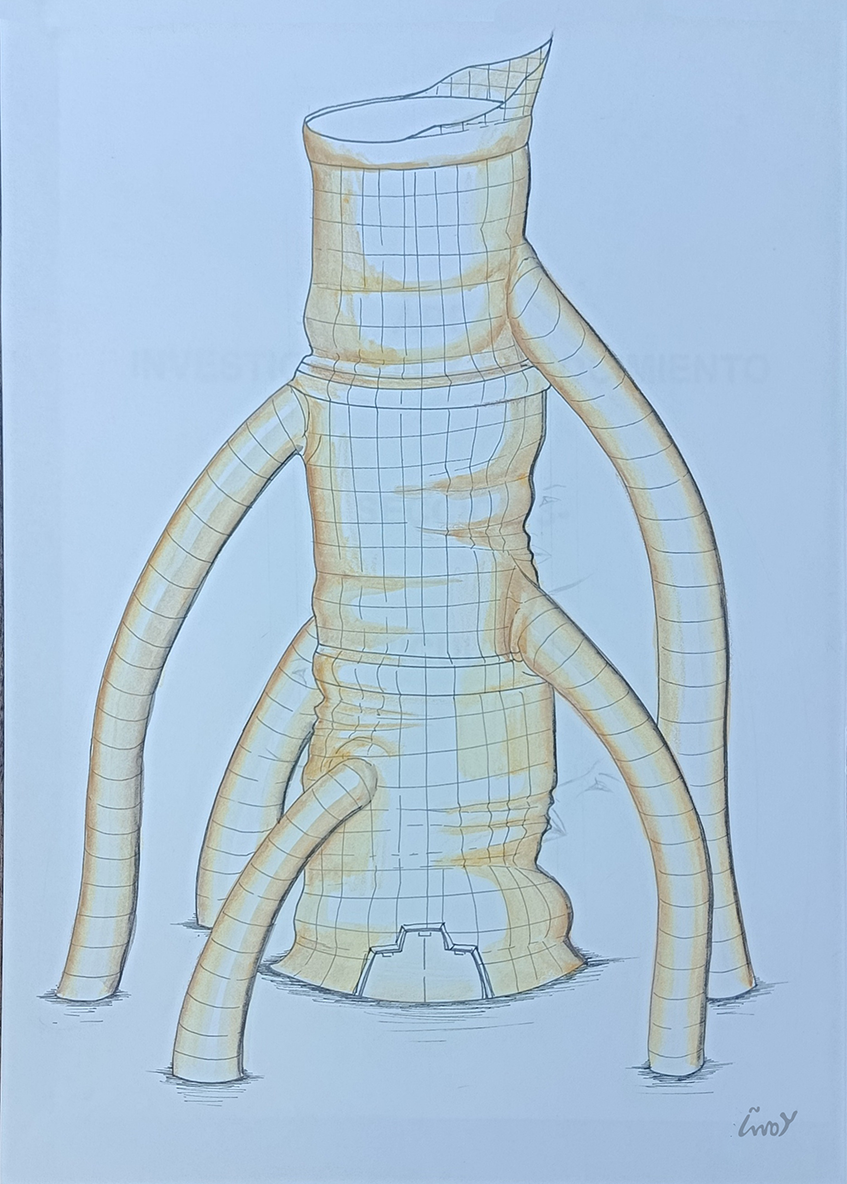
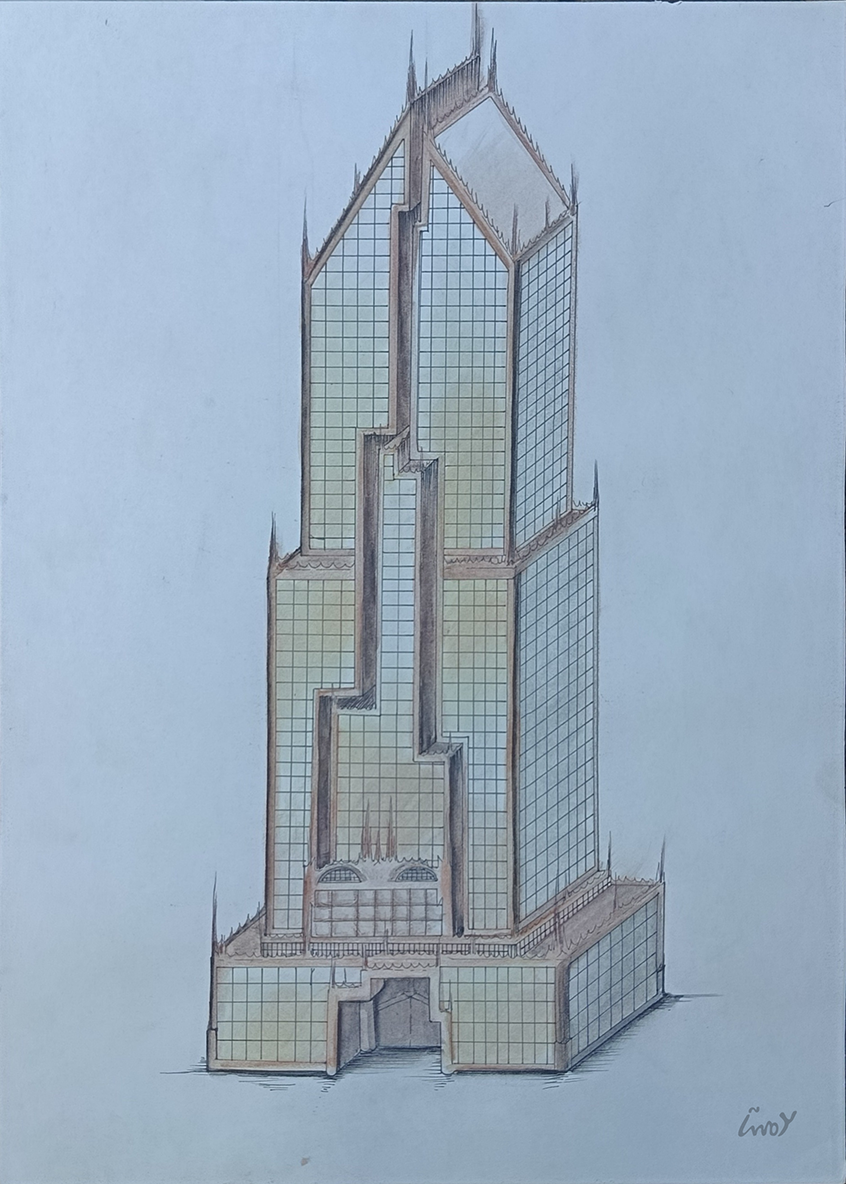
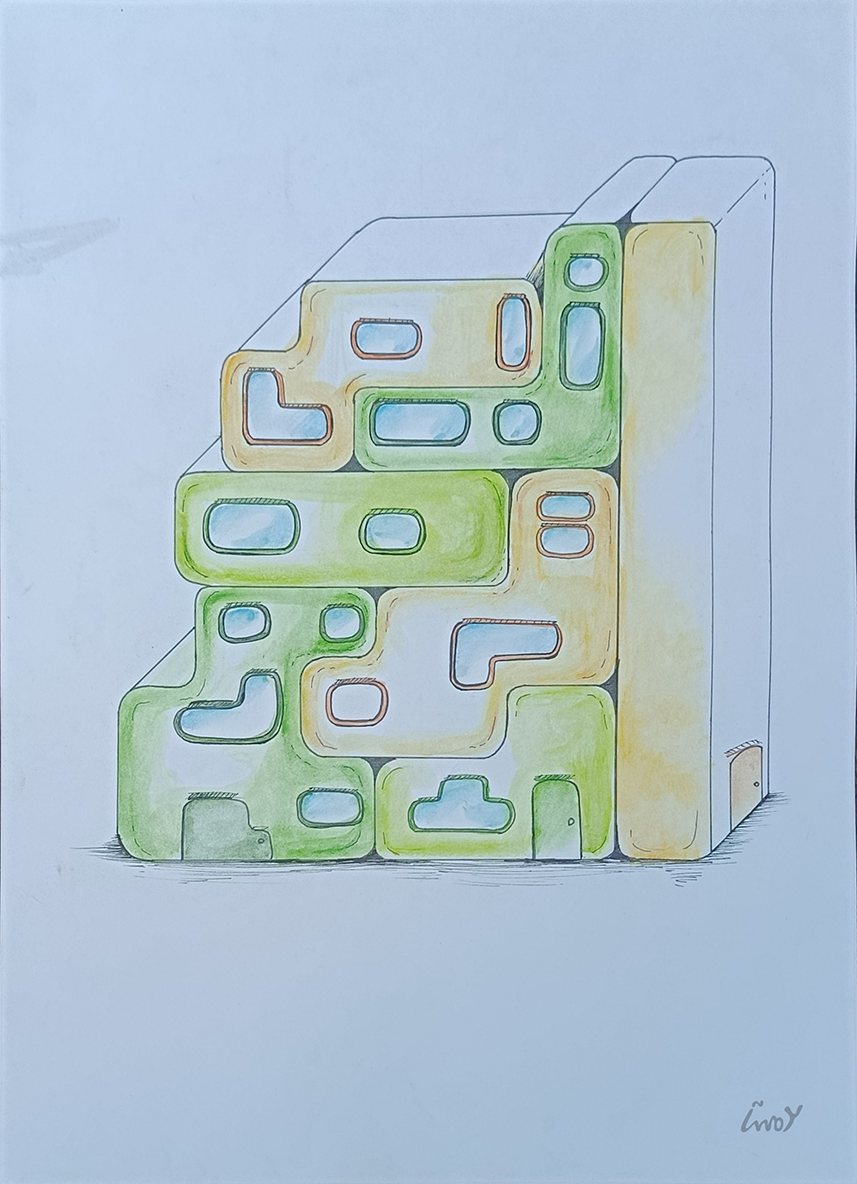
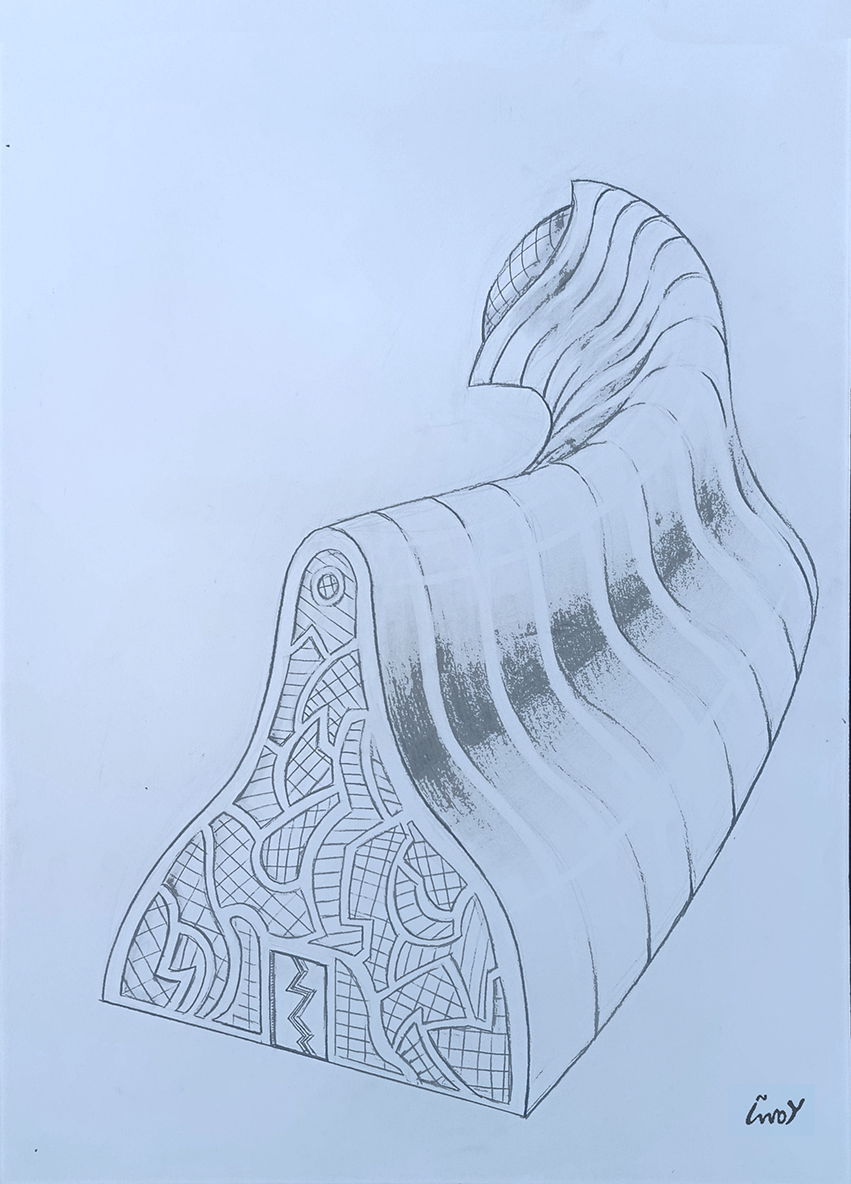
The result is a collection of more than 50 drawings on laid paper, in a 45 × 35 cm format, created using a variety of drawing and illustration techniques.
Later, in 2019, this work materialized into the LIBERS_O2 project, supported, among others, by more than twenty municipalities forming the Mancomunidad Gótica de Valladolid. This project did not receive sufficient support due to political issues, despite the high value placed on the project by all the entities involved.
What remains now are the designs and ideas to develop these environments and to improve the way we live, work, and grow as human beings.
Imoy
ÁREA INVESTIGACIÓN Y CONOCIMIENTO
– SECCIÓN 1 –
SALUD, BIOMECÁNICA Y BIOTECNOLOGÍA

ÁREA INVESTIGACIÓN Y CONOCIMIENTO
– SECCIÓN 2 –
NATURALEZA Y HÁBITAT

ÁREA INVESTIGACIÓN Y CONOCIMIENTO
– SECCIÓN 3 –
AGRICULTURA
ÁREA INVESTIGACIÓN Y CONOCIMIENTO
– SECCIÓN 4 –
ENERGÍA Y TRANSPORTE
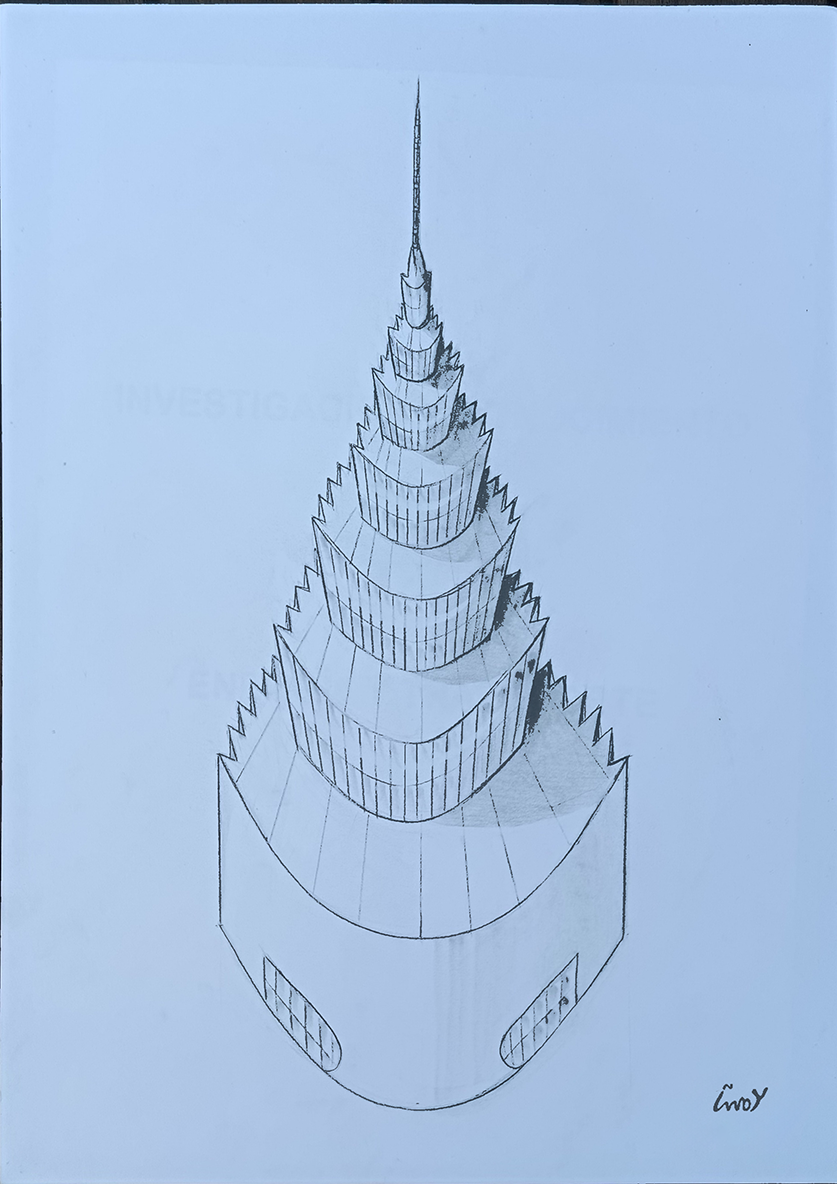
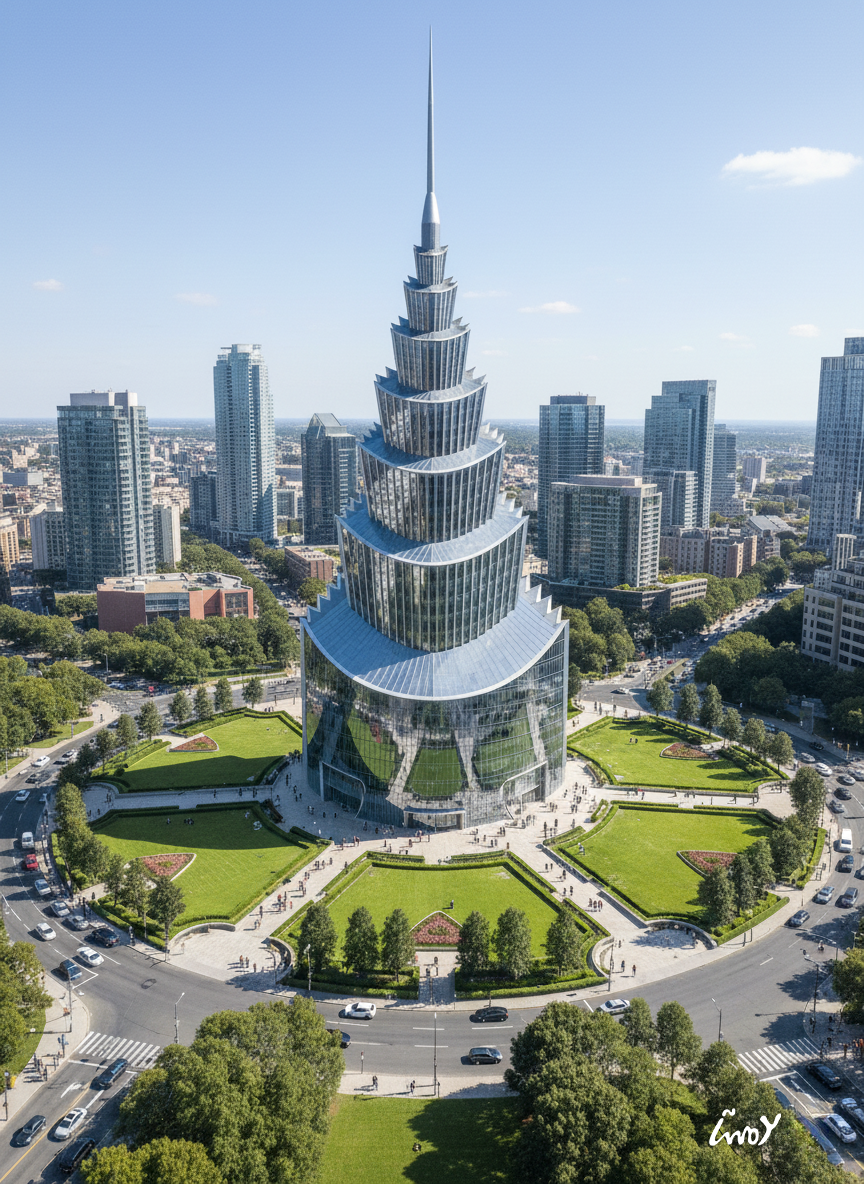
ÁREA INVESTIGACIÓN Y CONOCIMIENTO
– SECCIÓN 5 –
BIOTECNOLOGÍA
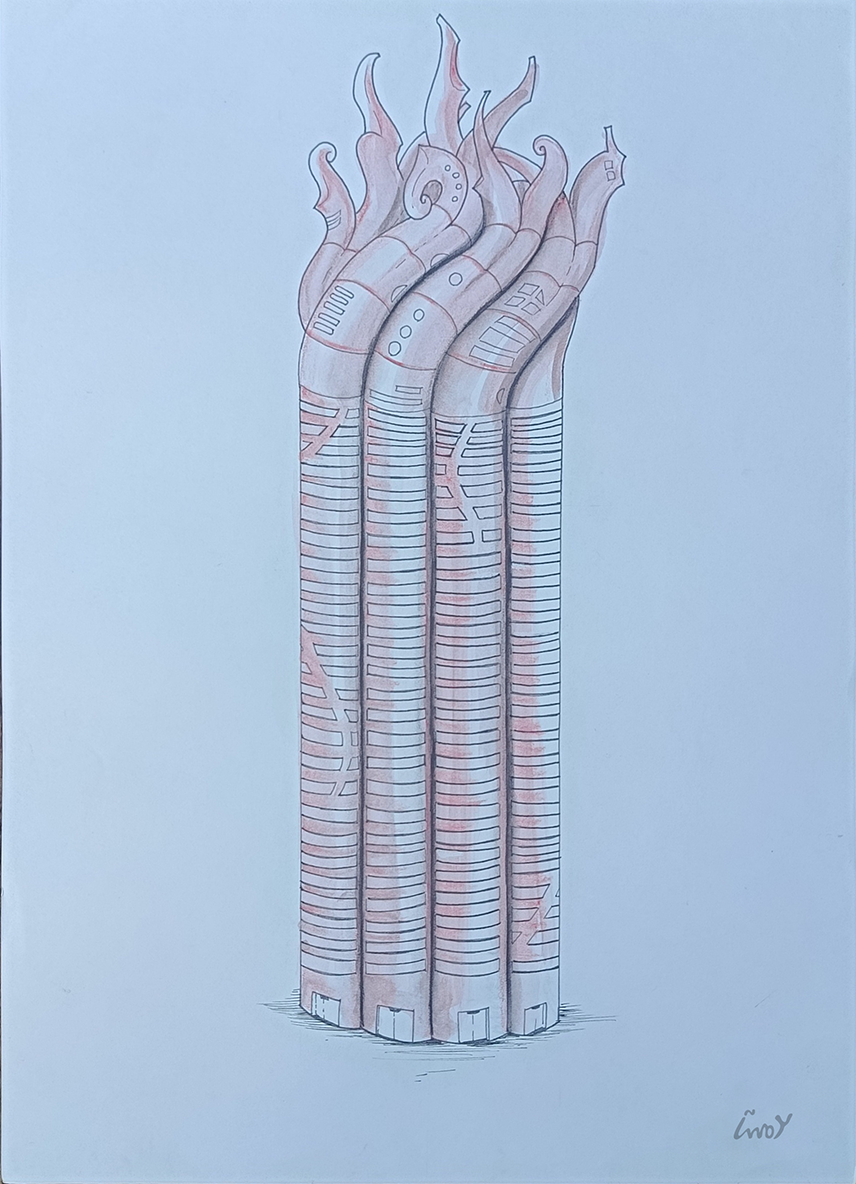
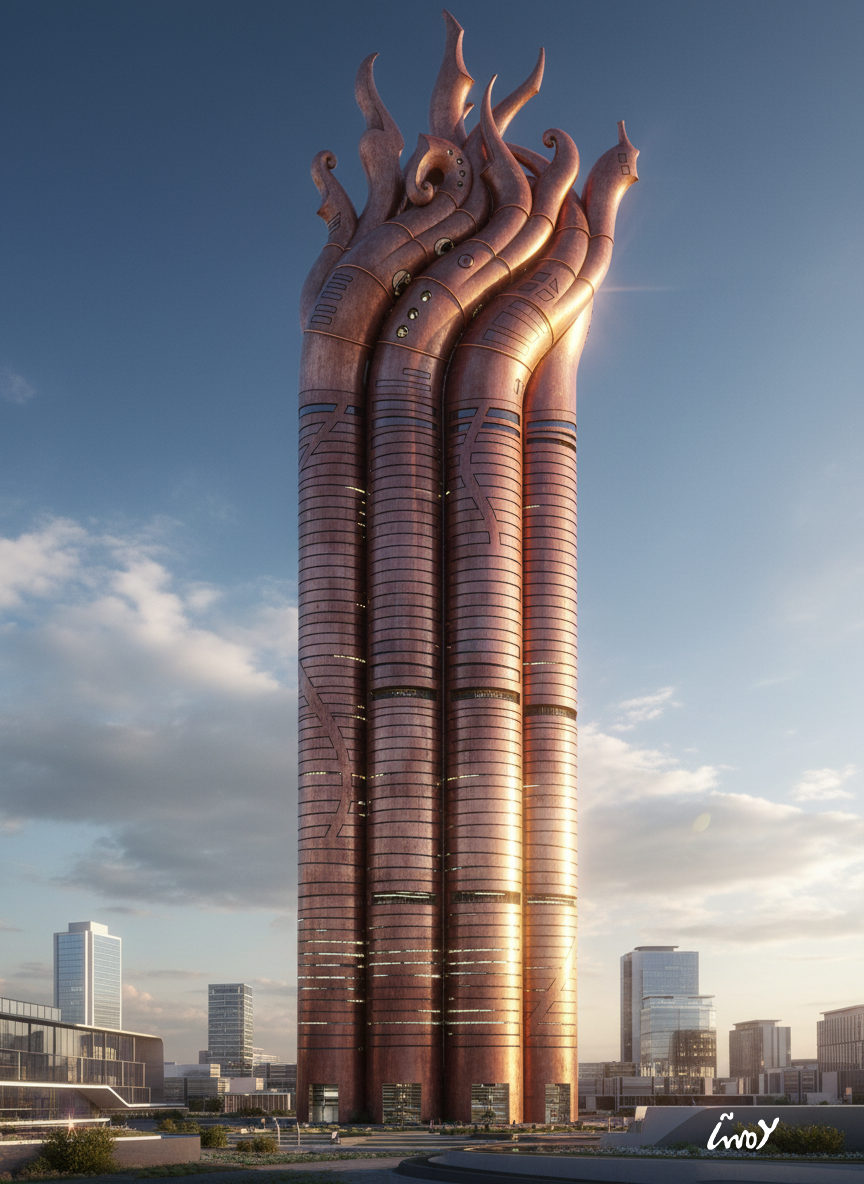
ÁREA INVESTIGACIÓN Y CONOCIMIENTO
– SECCIÓN 6 –
INTELIGENCIA ARTIFICIAL Y SUBIR LA MENTE A LA NUBE
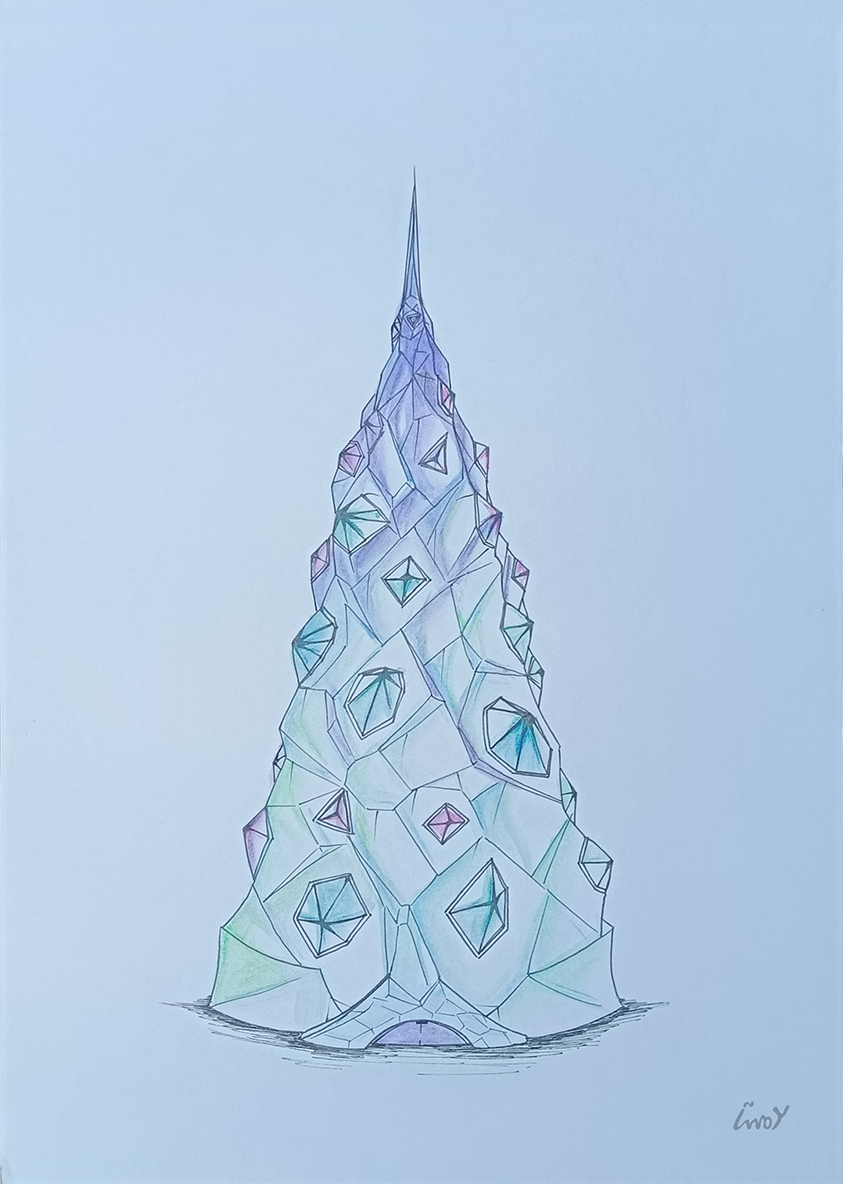
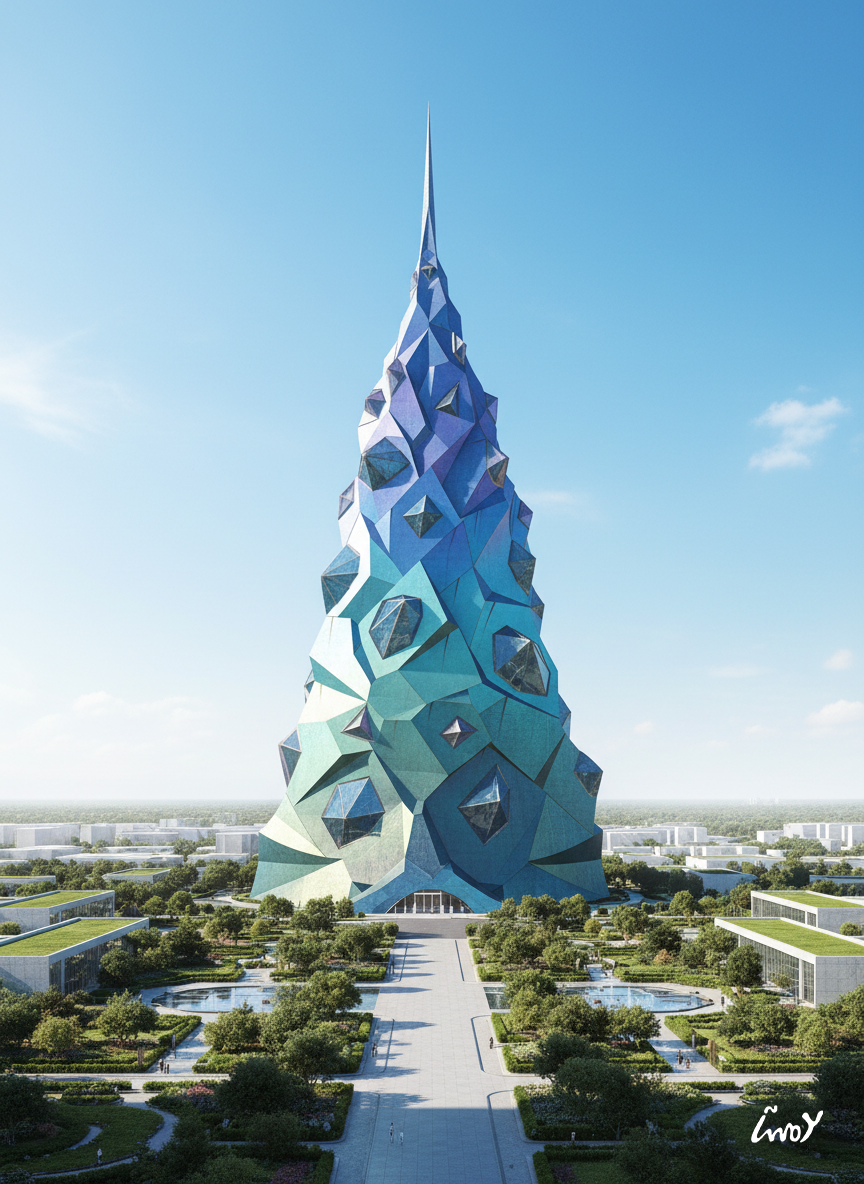
ÁREA INVESTIGACIÓN Y CONOCIMIENTO
– SECCIÓN 7 –
GESTIÓN DEL AGUA Y RESIDUOS
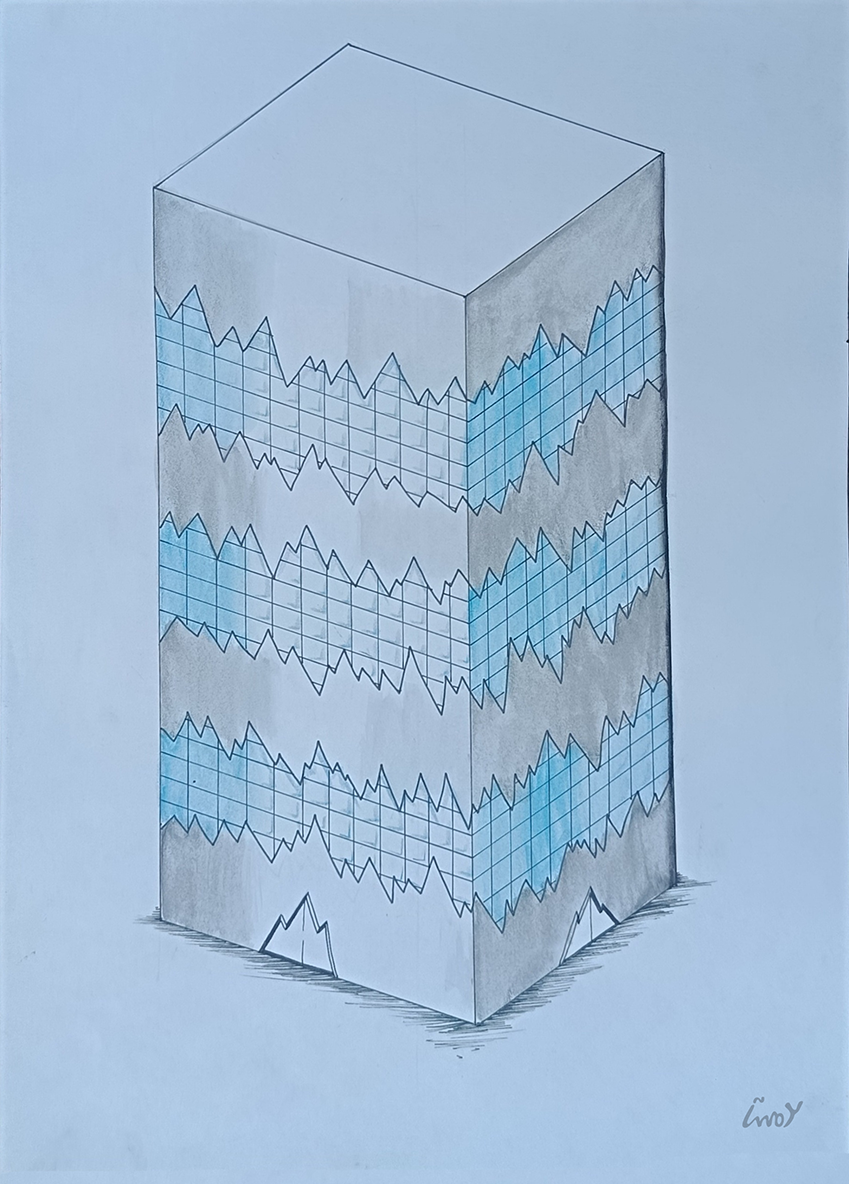
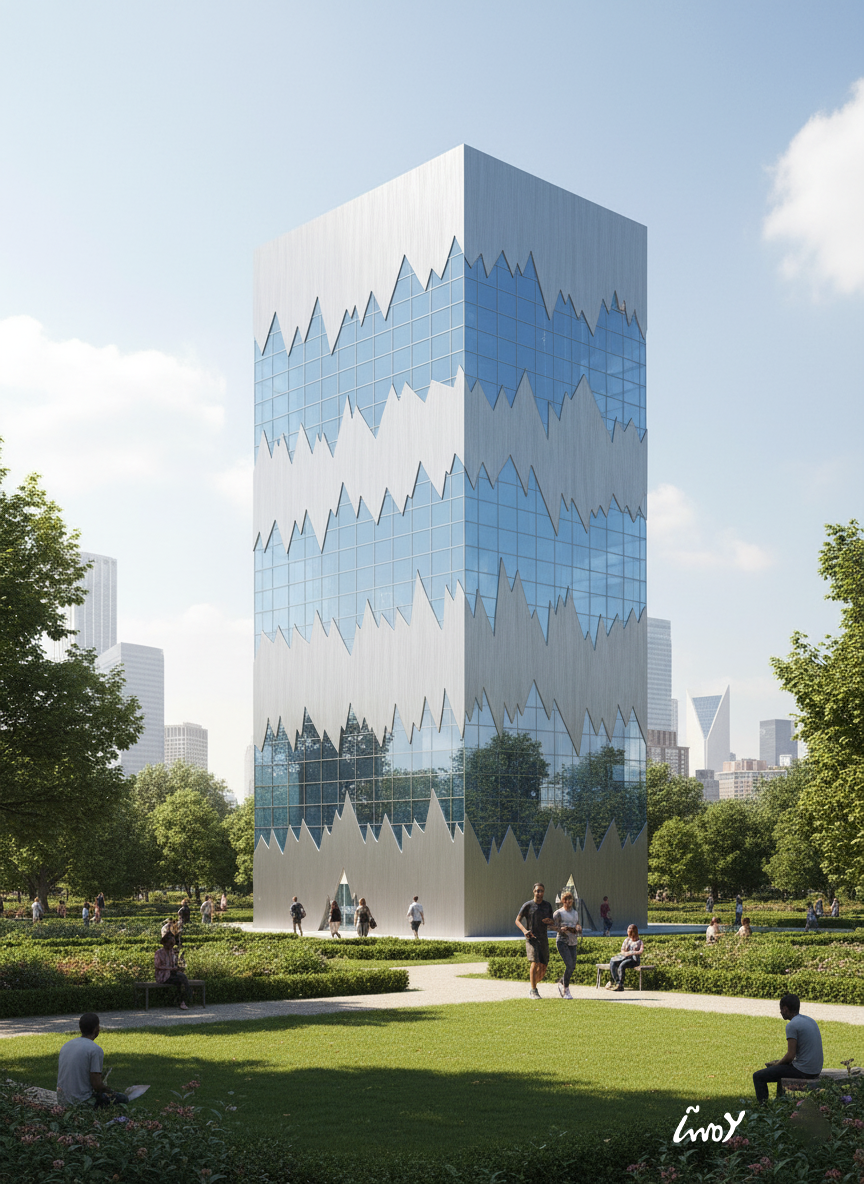
ÁREA INVESTIGACIÓN Y CONOCIMIENTO
– SECCIÓN 8 –
NANOTECNOLOGÍA
ÁREA INVESTIGACIÓN Y CONOCIMIENTO
– SECCIÓN 9 –
IMPRESIÓN 3D EN METALES Y MINERÍA ESPACIAL
ÁREA INVESTIGACIÓN Y CONOCIMIENTO
– SECCIÓN 10 –
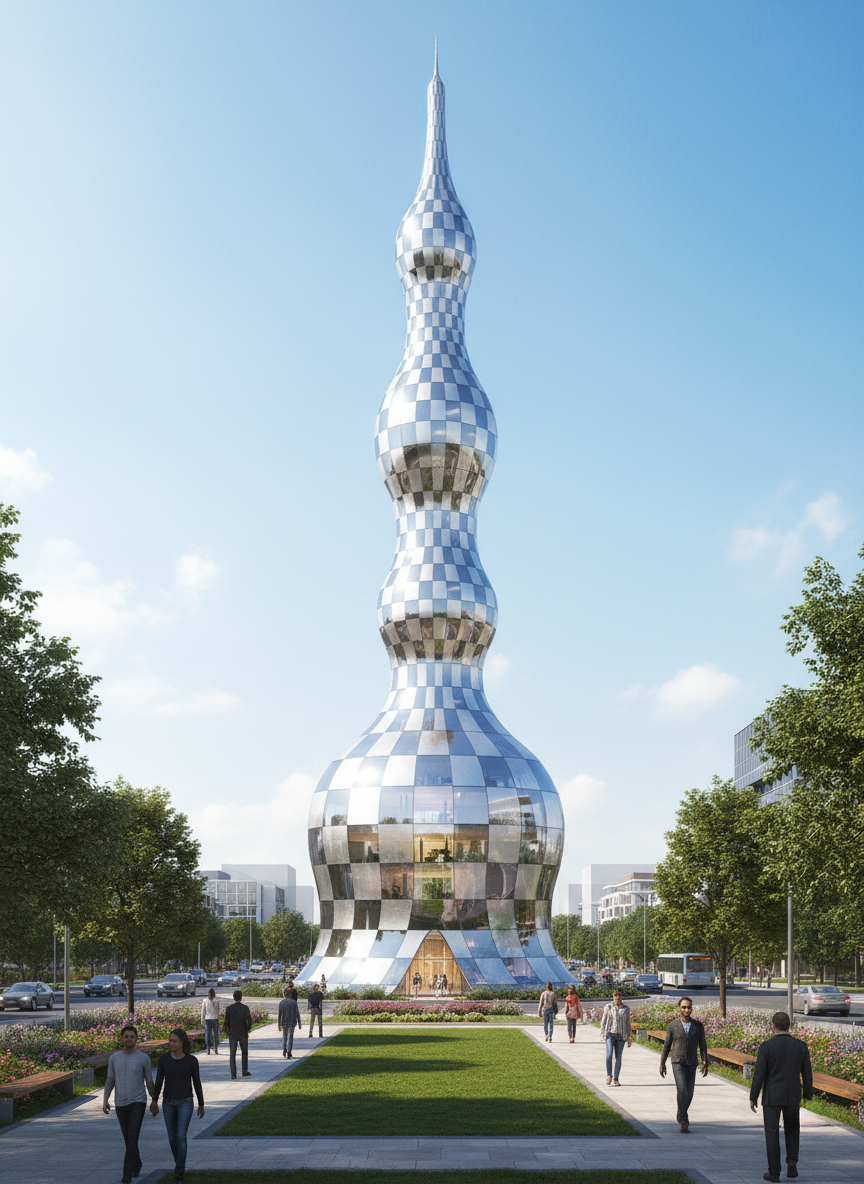
HOLOGRAMAS

ÁREA INVESTIGACIÓN Y CONOCIMIENTO
– SECCIÓN 11 –
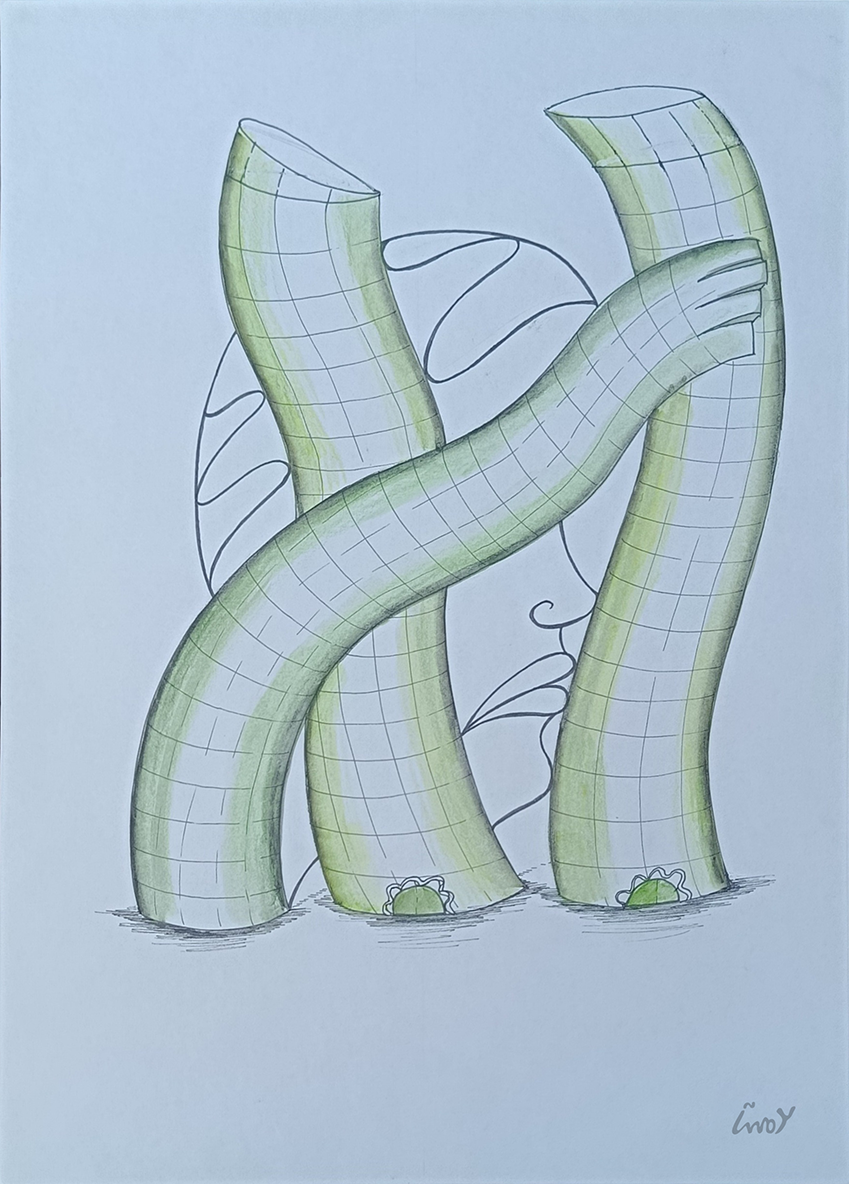
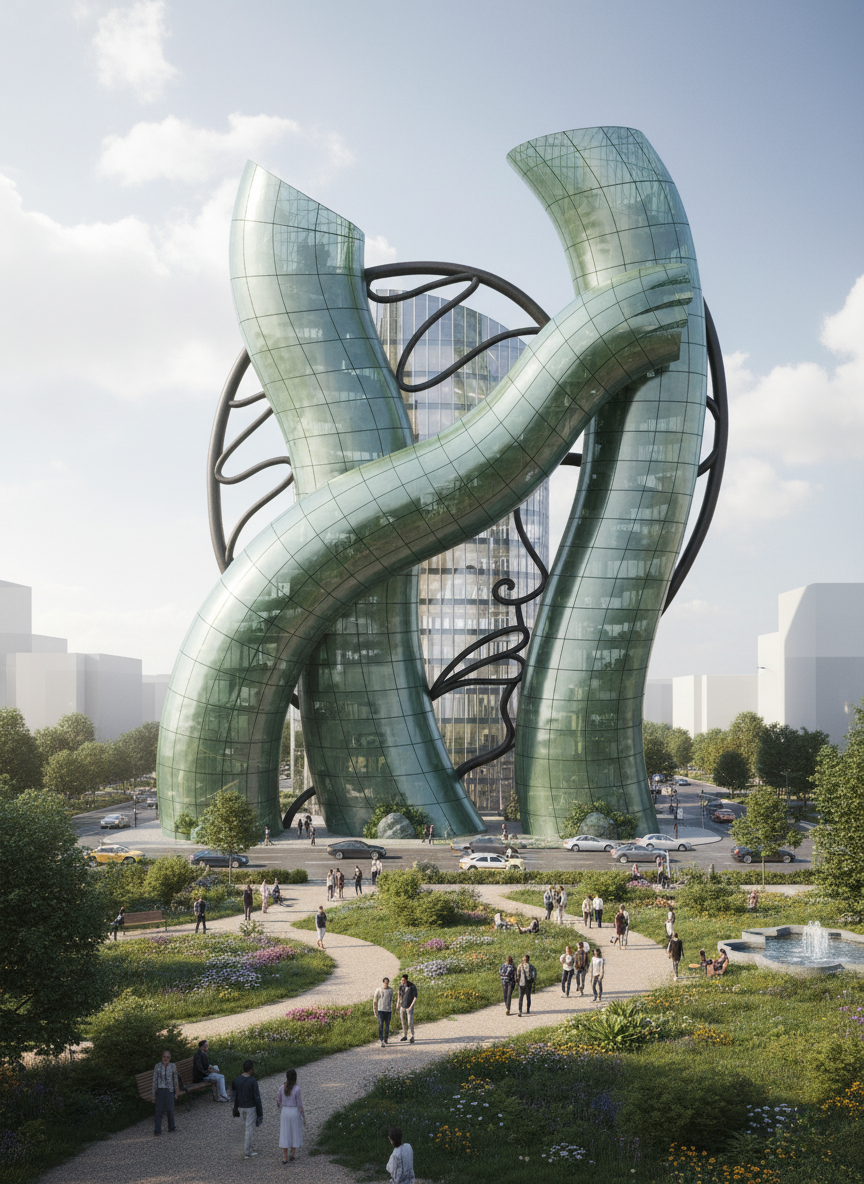
ROBÓTICA
ÁREA INVESTIGACIÓN Y CONOCIMIENTO
– SECCIÓN 12 –
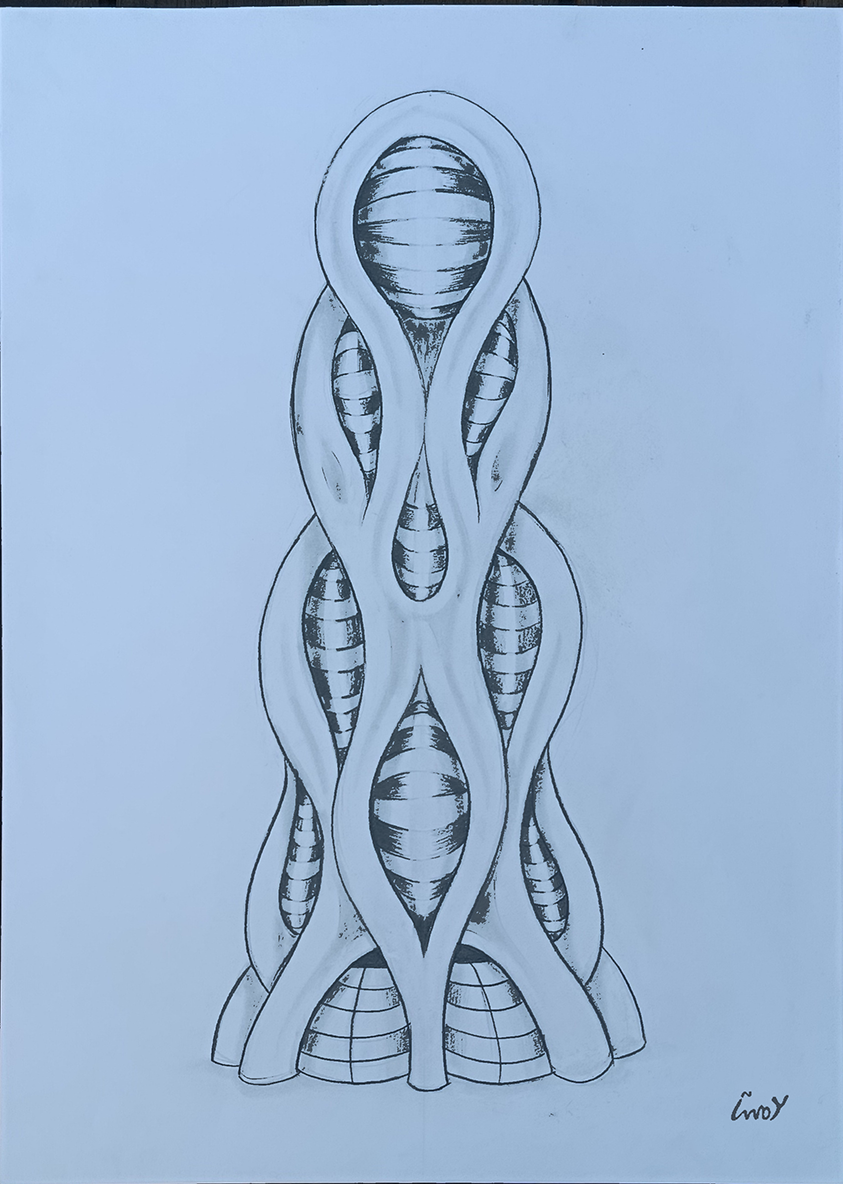
REALIDAD VIRTUAL
ÁREA INVESTIGACIÓN Y CONOCIMIENTO
– SECCIÓN 13 –
NUEVOS MATERIALES

ÁREA INVESTIGACIÓN Y CONOCIMIENTO
– SECCIÓN 14 –
INVENCIONES
ÁREA INVESTIGACIÓN Y CONOCIMIENTO
– SECCIÓN 15 –
INVESTIGACIÓN ESPACIAL

ÁREA INVESTIGACIÓN Y CONOCIMIENTO
– SECCIÓN 16 –
CIUDADES INTELIGENTES
ÁREA INVESTIGACIÓN Y CONOCIMIENTO
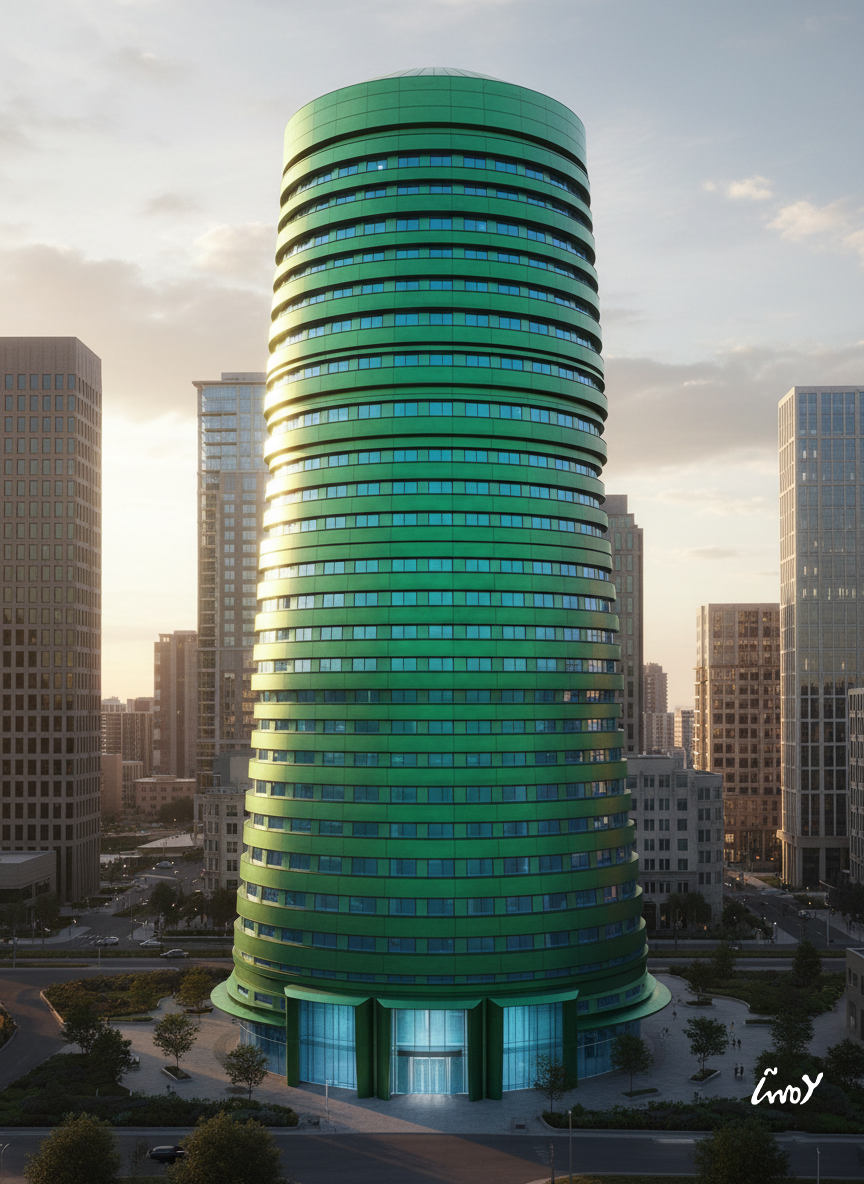
ALOJAMIENTO DE TRABAJADORES
ÁREA INVESTIGACIÓN Y CONOCIMIENTO
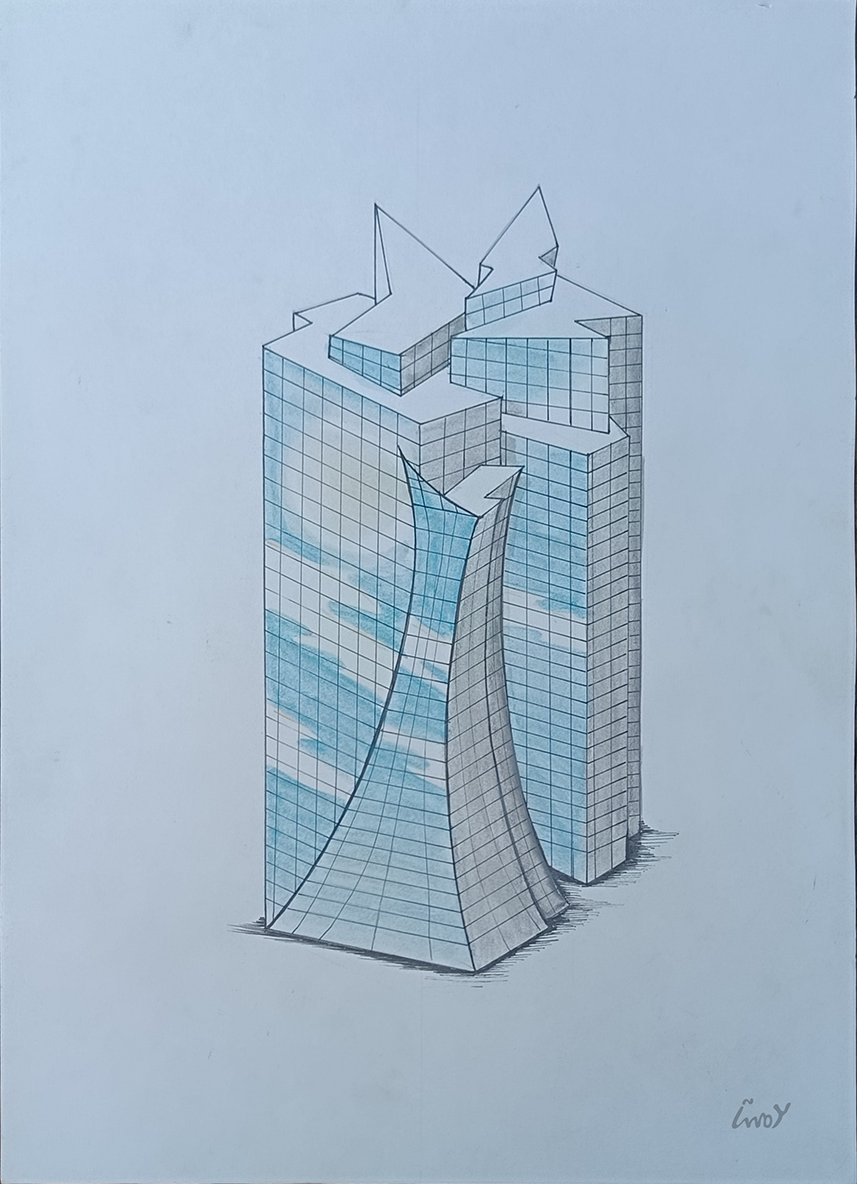
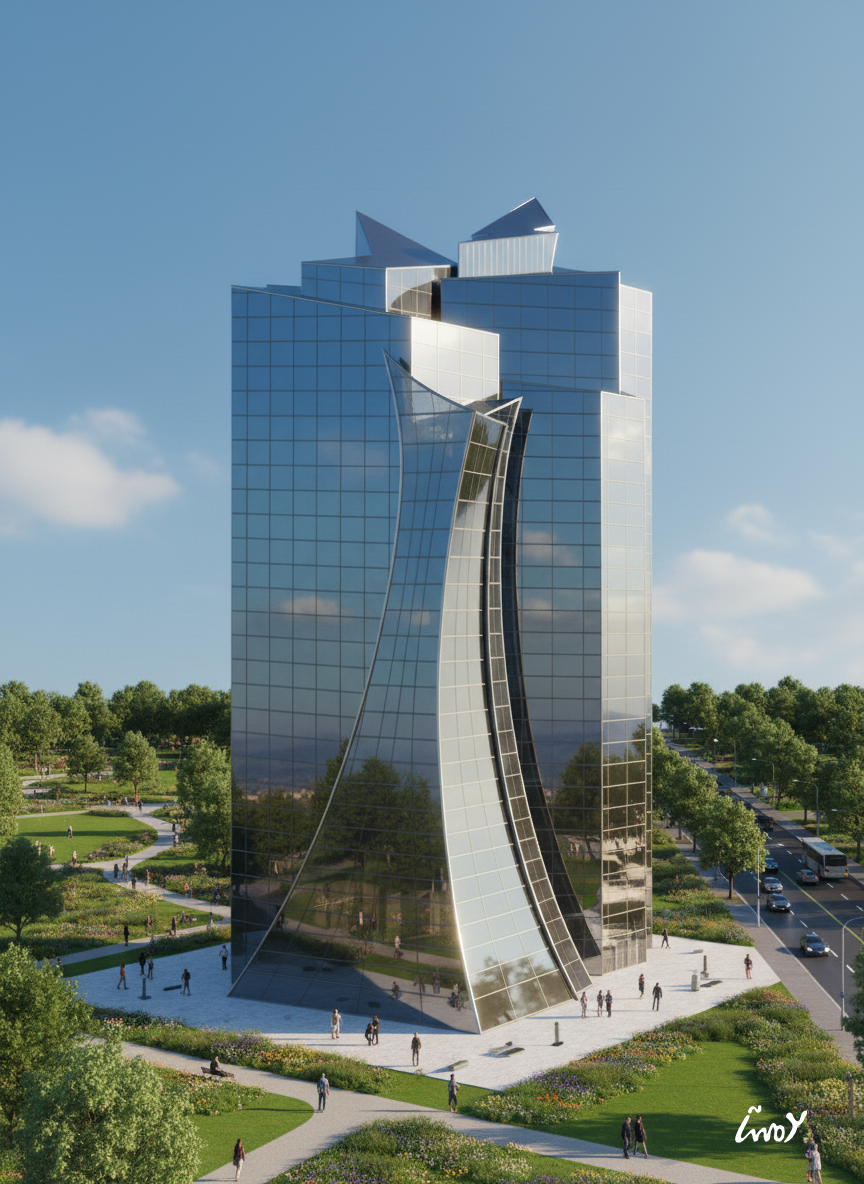
PLANTA HOTELERA
ÁREA INVESTIGACIÓN Y CONOCIMIENTO
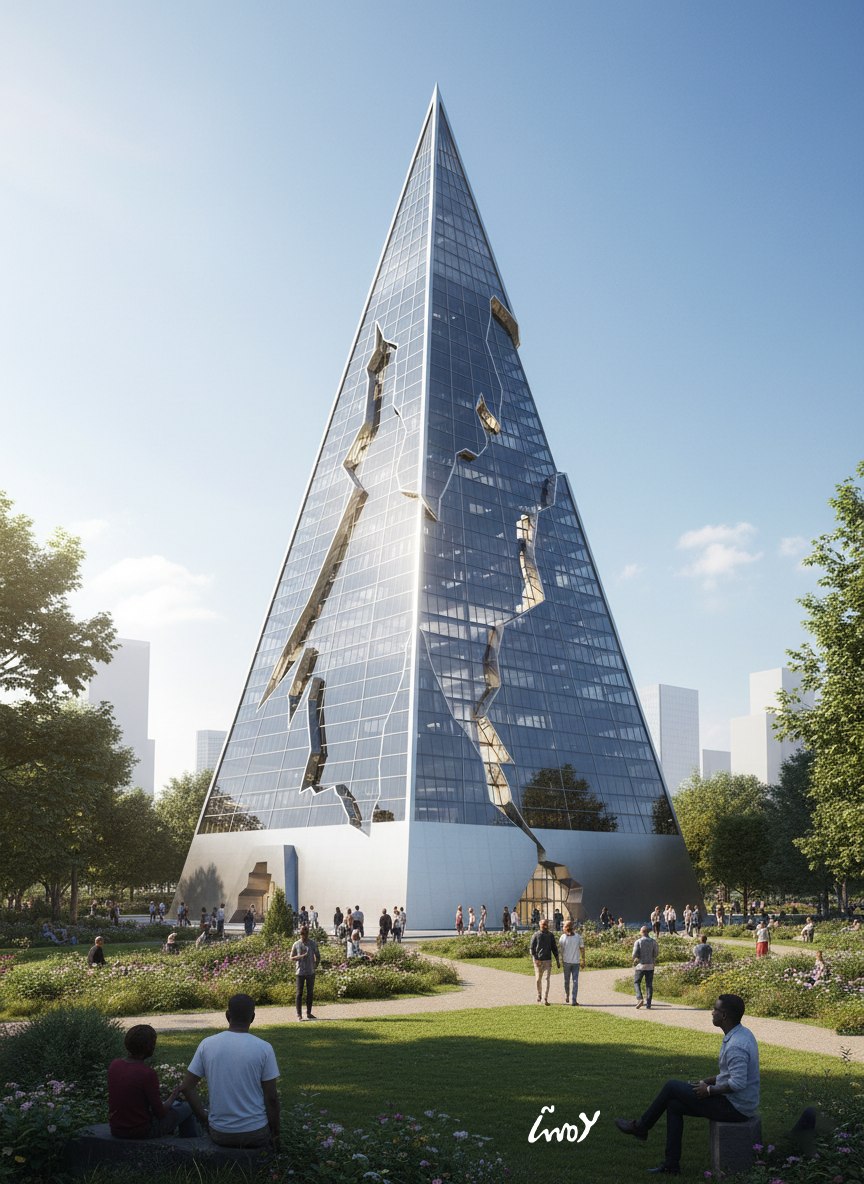
SPA, CENTRO DE SALUD Y BELLEZA

ÁREA INVESTIGACIÓN Y CONOCIMIENTO
EDIFICIO DE OFICINAS
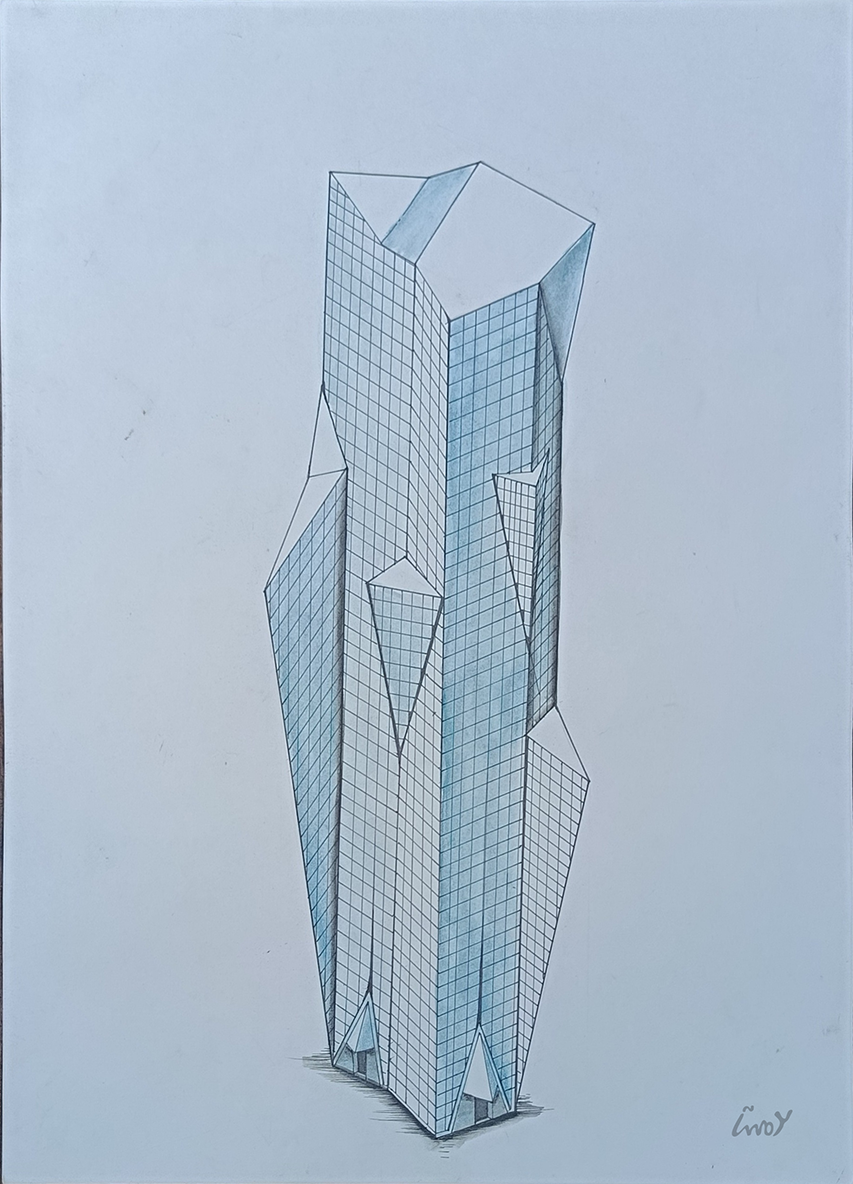
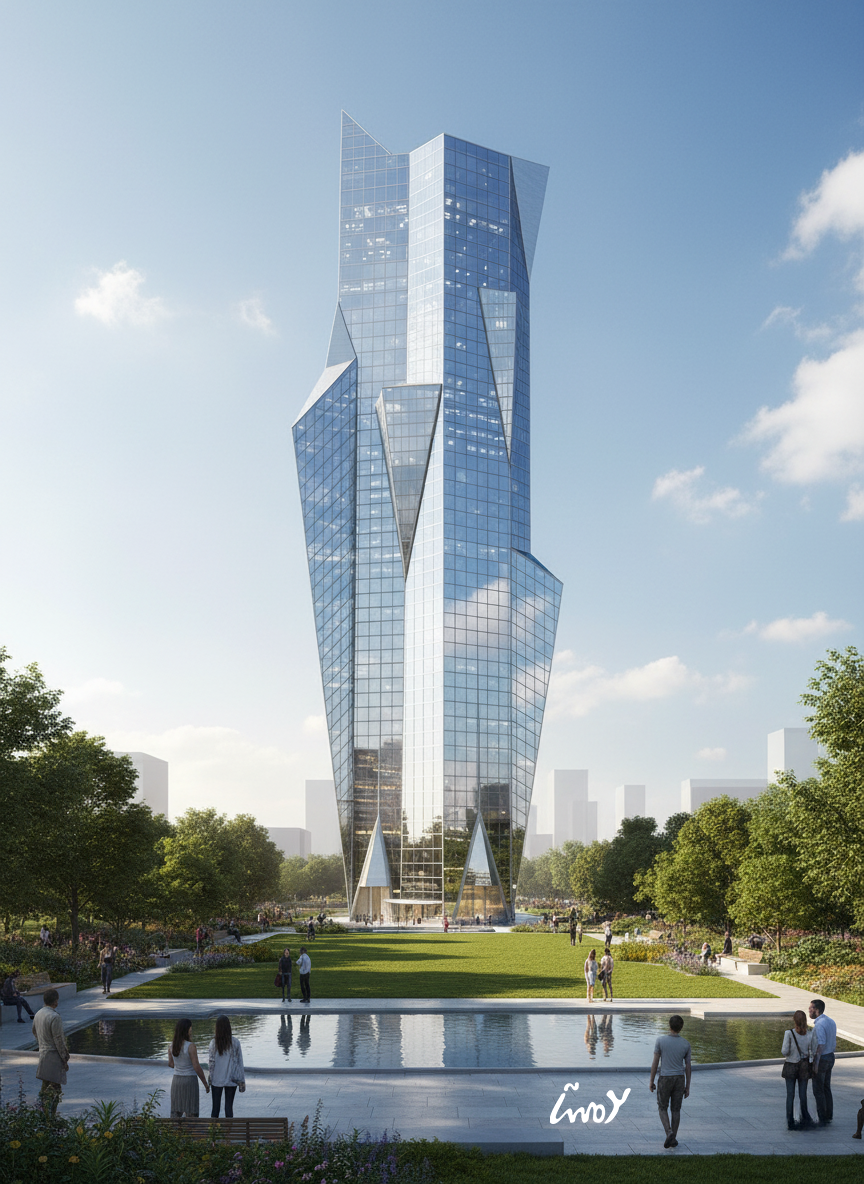
ÁREA INVESTIGACIÓN Y CONOCIMIENTO
ESTUDIO DE GRABACIÓN
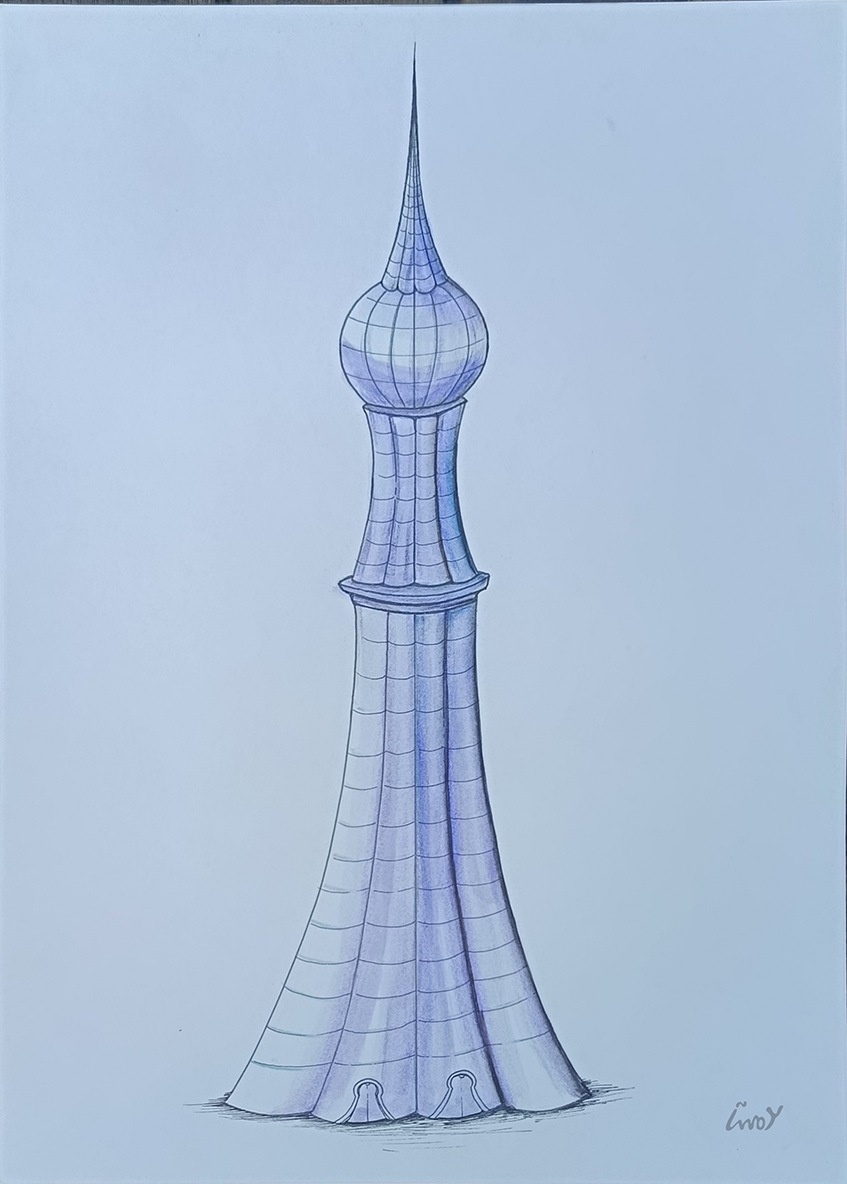
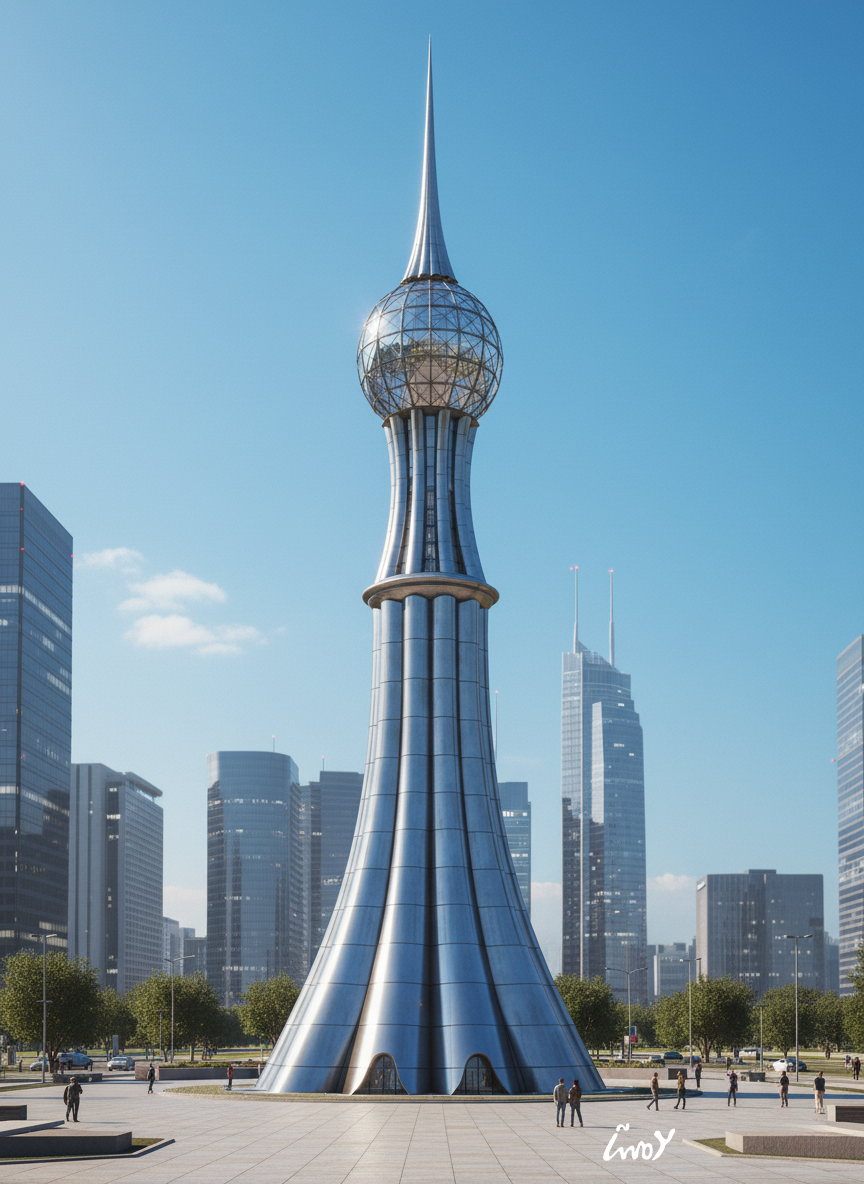
ÁREA INVESTIGACIÓN Y CONOCIMIENTO
CLÍNICA
ÁREA INVESTIGACIÓN Y CONOCIMIENTO
TERAPIAS NATURALES Y NATUROPATÍA

ÁREA INVESTIGACIÓN Y CONOCIMIENTO
PALACIO DE CONGRESOS
ÁREA INVESTIGACIÓN Y CONOCIMIENTO
CENTRO DE ALTO RENDIMIENTO
CENTRO MULTICULTURAL
El proyecto cuenta con un Centro Multicultural que sirve como espacio de encuentro diseñado para fomentar la inclusión, el intercambio cultural y el acceso al arte, funcionando también como Museo. Se ofrecerán talleres, exposiciones, eventos y servicios de apoyo social, facilitando la integración de diversas comunidades y mejorando su calidad de vida a través de la cultura.
En la azotea en la que se situan los paneles para el calentamiento de aguas sanitarias, se encuentra también un pequeño observatorio astronómico.
Este edificio inteligente dotado con eficiencia energética y autosuficiente, reduce su consumo mediante iluminación LED, aislamiento avanzado y energías renovables, alineándose con las normativas europeas para la descarbonización.
El objetivo es lograr “consumo de energía cero”.
- Diseño inteligente utilizando aislamiento térmico e inercia térmica: Mejorando la envolvente reduciendo pérdidas de energía.
- Iluminación Eficiente: Aprovechamiento máximo de la luz solar e Implementación de tecnología LED, que puede reducir el consumo hasta un 70%.
- Gestión Inteligente y domótica: Sistemas automatizados para calefacción y ventilación.
- Calentar agua con energía solar es un método ecológico y sostenible para obtener agua caliente sanitaria.
- Fuentes de Energías Renovables: Uso de paneles solares, aerogeneradores integrados en la arquitectura y otras energías limpias.
- La recogida de aguas pluviales, y aguas residuales debidamente tratadas, se utilizan para el riego de los espacios verdes.
Simbólicamente el edificio está flanqueado en sus esquinas con torres rematadas por aerogeneradores dedicadas a los cuatro picos más altos de la geografía asturiana. Se integra también un aerogenerador de eje vertical formando parte del espacio arquitectónico.
The project includes a Multicultural Center that serves as a meeting space designed to promote inclusion, cultural exchange, and access to art, also functioning as a Museum. Workshops, exhibitions, events, and social support services will be offered, facilitating the integration of diverse communities and improving their quality of life through culture.
The project includes a Multicultural Center that serves as a meeting space designed to promote inclusion, cultural exchange, and access to art, also functioning as a Museum. Workshops, exhibitions, events, and social support services will be offered, facilitating the integration of diverse communities and improving their quality of life through culture.
On the rooftop, where the panels for domestic hot water heating are located, there is also a small astronomical observatory.
This smart, energy-efficient, and self-sufficient building reduces its consumption through LED lighting, advanced insulation, and renewable energy sources, aligning with European regulations for decarbonization.
The objective is to achieve “zero energy consumption.”
Smart design using thermal insulation and thermal mass: improving the building envelope to reduce energy losses.
Efficient lighting: maximizing the use of natural sunlight and implementing LED technology, which can reduce consumption by up to 70%.
Smart management and home automation: automated systems for heating and ventilation.
Heating water with solar energy is an ecological and sustainable method to provide domestic hot water.
Renewable energy sources: use of solar panels, wind turbines integrated into the architecture, and other clean energy sources.
Rainwater harvesting and properly treated wastewater are used for irrigating green spaces.
Symbolically, the building is flanked at its corners by towers topped with wind turbines, dedicated to the four highest peaks of Asturian geography. A vertical-axis wind turbine is also integrated as part of the architectural space.